


Business insurance · California
Business Insurance for California Small Businesses
California sets a few business insurance rules itself, starting with workers' comp from your first employee. Your landlord, your clients and city permits set most of the rest. We're a two-person family agency on Avenue Stanford in Valencia with 30 years of experience. Brian, our licensed agent, works out which policies your business needs, then compares quotes for them from carriers such as NEXT, Travelers and Mercury.
- Licensed in CA · #0D44425
- Free quotes, no obligation
- Call-back usually within the hour
At a glance
- California employers must carry workers' compensation from the first employee (Labor Code section 3700). Going without it is a misdemeanor, and the state can stop your employees' work until you're covered.
- A business owner's policy (BOP) packages property, general liability and business income coverage for small, lower-risk businesses that fit a carrier's rules.
- For most businesses, general liability becomes a must because a lease, a client contract or a permit requires it, with a certificate of insurance as the proof.
- Business property coverage usually excludes earthquake and flood, according to the California Department of Insurance, so those risks need separate arrangements.
- Carriers we can quote for business coverage include NEXT, Travelers and Mercury Insurance. Each carrier decides what it will write based on its own underwriting.
Business insurance
Coverage options, in plain English
What each part of a policy can pay for. The exact coverage depends on the policy and the carrier, and we go through it with you before you buy.

Not sure which parts you need?
Tell us what you're insuring and we'll explain the trade-offs before you sign.
Get my free quoteGeneral liability
Pays for injuries and property damage your business causes to others, plus claims like libel or slander, and defends you in covered lawsuits.
Business owner's policy (BOP)
A package of property, general liability and business income coverage for small businesses that fit a carrier's size and risk limits.
Commercial property
Covers a building you own and what's inside it (equipment, inventory, furniture, tools) against covered losses such as fire, smoke or theft.
Business income
Replaces lost income and helps with bills like rent and payroll while you're closed to repair damage from a covered loss.
Workers' compensation
Pays medical care and part of lost wages for employees hurt or made sick by their work. California requires it from the first hire.
Commercial auto
Covers cars, vans and trucks your business owns or uses for work. A personal auto policy can limit or exclude business use.
Professional liability
Also called errors and omissions (E&O). Answers claims that your advice or professional service cost a client money, which general liability won't.
Cyber liability
Helps pay the costs of a hack or data breach: customer notices, forensic work and claims from the people affected.
On this page10
What business insurance does a California small business need?
Short answer
Most start with general liability or a business owner's policy, add workers' comp with the first hire, and add commercial auto if the business owns vehicles. Professional liability and cyber coverage come next if you sell advice or keep customer data.
The right mix comes down to three questions: what you do, who works for you, and what you own. A bookkeeper in a spare bedroom and a remodeler with two trucks and four employees need very different policies.
The policies most California small businesses look at
- What it pays for
- Injuries and property damage you cause to others
- Usually needed when
- You have customers, a lease or client contracts
- What it pays for
- Property, liability and lost income in one package
- Usually needed when
- You have a shop, an office, equipment or inventory
- What it pays for
- Job injuries and illnesses for employees
- Usually needed when
- You have even one employee
- What it pays for
- Vehicles used for the business
- Usually needed when
- The business owns or regularly drives vehicles for work
- What it pays for
- Liability and workers' comp set up for licensed trades
- Usually needed when
- You work in a licensed trade
Professional liability
- What it pays for
- Financial harm from your advice or service
- Usually needed when
- Clients pay you for expertise
Cyber liability
- What it pays for
- Costs after a data breach
- Usually needed when
- You store customer records or card data
| Policy | What it pays for | Usually needed when |
|---|---|---|
| General liability | Injuries and property damage you cause to others | You have customers, a lease or client contracts |
| Business owner's policy | Property, liability and lost income in one package | You have a shop, an office, equipment or inventory |
| Workers' compensation | Job injuries and illnesses for employees | You have even one employee |
| Commercial auto | Vehicles used for the business | The business owns or regularly drives vehicles for work |
| Contractor insurance | Liability and workers' comp set up for licensed trades | You work in a licensed trade |
| Professional liability | Financial harm from your advice or service | Clients pay you for expertise |
| Cyber liability | Costs after a data breach | You store customer records or card data |
Is workers' comp required for California businesses?
Short answer
Yes, as soon as you have an employee. California Labor Code section 3700 requires every employer to carry workers' compensation, even with a single employee, through a licensed insurer or state-approved self-insurance.
The penalties are serious. According to the Department of Industrial Relations (opens in a new tab), operating without coverage is a misdemeanor, the state can issue a stop order barring the use of employee labor until you buy a policy, and penalties start at $1,500 per employee, plus up to $100,000 more after an uninsured injury claim.
Owners are treated differently. A sole proprietor with no employees generally doesn't have to cover themselves, while corporate officers must be included unless they own the whole corporation and opt out. Roofers, the DIR notes, need coverage even with no employees.
See workers' compensation insurance for how policies are priced, and contractor insurance for the extra CSLB rules licensed trades follow.
Should you buy a business owner's policy or separate policies?
Short answer
If your business is small, lower-risk and fits a carrier's rules, a business owner's policy is usually the simpler place to start. Separate policies make sense when you need higher limits or special coverage, or your type of business doesn't qualify.
The California Department of Insurance describes a BOP as a package for small "main street" businesses, such as hardware stores, barbershops and accounting offices, that combines property, general liability and business interruption coverage. Carriers write BOPs under strict rules, such as a maximum square footage, so bigger or riskier operations usually buy separate policies.
Read what a business owners policy covers for the details, including the gaps it leaves.
What is a certificate of insurance, and who will ask for one?
Short answer
A certificate of insurance is a one-page summary that proves your business has coverage: the policies, limits and dates. Landlords, general contractors, event organizers and cities ask for one before you move in, start a job or get a permit.
A certificate is proof, not coverage. California Insurance Code section 384 requires certificates to say they are not an insurance policy and don't change the coverage of the policies they list. So when a lease says the landlord must be an additional insured, a certificate alone won't do it: the policy itself needs an endorsement that adds them.
What to send us when someone asks for a certificate
- The legal name and address of whoever is asking (the certificate holder)
- Whether they must be an additional insured, and their contract wording
- Any special language, such as "primary and non-contributory" or a waiver of subrogation
- Where to send it, and by when
NEXT policyholders can download their own certificates, including ones listing an additional insured, from NEXT's app or website. For other carriers, email us the request and we'll get it issued. Our general liability page explains additional insured endorsements.
Which carriers do we quote for business insurance?
Short answer
Carriers we work with for business policies include NEXT, Travelers and Mercury Insurance. Which one fits depends on what your business does, how big it is and each carrier's underwriting.
Some of the business carriers we can quote
NEXT (now operating as ERGO NEXT)
- Small business policies it offers
- General liability, workers' comp, BOPs, commercial auto, professional liability, tools and equipment
- Often a fit for
- Trades, service businesses and owners who like to manage policies and certificates online
Travelers
- Small business policies it offers
- BOPs, general liability, workers' comp, commercial auto, commercial property, cyber, professional liability
- Often a fit for
- Businesses that want the BOP, workers' comp and auto with one carrier
Mercury Insurance
- Small business policies it offers
- Business owner's policies and business auto in California
- Often a fit for
- Offices, shops, restaurants, health care practices and service businesses
| Carrier | Small business policies it offers | Often a fit for |
|---|---|---|
| NEXT (now operating as ERGO NEXT) | General liability, workers' comp, BOPs, commercial auto, professional liability, tools and equipment | Trades, service businesses and owners who like to manage policies and certificates online |
| Travelers | BOPs, general liability, workers' comp, commercial auto, commercial property, cyber, professional liability | Businesses that want the BOP, workers' comp and auto with one carrier |
| Mercury Insurance | Business owner's policies and business auto in California | Offices, shops, restaurants, health care practices and service businesses |
NEXT is a digital carrier built for small businesses, so many of its policies can be quoted and issued quickly. Travelers sells a long list of business products, from BOPs to cyber, and California-based Mercury writes BOPs and business auto here. Each decides on its own whether to accept a business, so we usually quote more than one.

Get business quotes from Valencia
Tell us what your business does and who works for it. Brian will compare the carriers that fit and call you with options.
Do you need professional liability or cyber insurance?
Short answer
You probably need professional liability if clients pay you for advice, designs or expertise, and cyber coverage if you store customer information. General liability isn't built for either risk.
Professional liability, also called errors and omissions, answers a different kind of claim: a client says your work or advice cost them money. Picture a bookkeeper who misses a filing deadline, or a designer whose plans contain an expensive mistake. General liability is built for bodily injury and damaged property, so it usually won't respond.
Cyber insurance pays for the fallout of a hack or breach. California Civil Code section 1798.82 requires a business to notify California residents whose unencrypted personal information was taken, and to send a sample notice to the Attorney General (opens in a new tab) when a single breach reaches more than 500 residents. Some carriers add limited breach coverage to a BOP; others sell cyber as its own policy.
What affects the cost of business insurance in California?
Short answer
Mostly the kind of work you do, the size of the business, where it operates, your claims history and the limits you choose. There's no flat price, so every business gets quoted on its own details.
- Type of business: a roofer and an accountant are rated very differently for the same limits.
- Size: liability is often rated on revenue or payroll, and workers' comp on payroll by job classification.
- Location and building: construction, age, fire protection and, in parts of California, wildfire exposure.
- Vehicles and drivers: what the business drives and who's behind the wheel.
- Claims history: past claims usually push the price up.
- Limits and deductibles: higher limits cost more, and a higher deductible can lower the premium.
Your contracts set the minimums
Before choosing limits, pull out your lease and any client contracts. They often spell out the coverage you must carry, and buying less than that can cost you the space or the job.
How do we quote business insurance?
Short answer
Start with a phone call or the quote form. We learn what the business does, compare the carriers that fit and walk you through the options before you sign anything.
- 1
Tell us about the business
What you do, where you work, revenue, payroll and vehicles, plus any insurance terms in your lease or contracts.
- 2
We match carriers to the risk
Brian checks which carriers will consider your type of business, then prices the coverage you need.
- 3
Compare in plain English
We explain what each policy would and wouldn't pay for, not just the price.
- 4
Sign and send proof
You sign by e-signature, and we help get certificates to the landlords and clients who need them.
Requests that reach us on weekdays between 9 and 4 usually get a call back within the hour; later ones get a call the next business morning.
Do we insure businesses outside Santa Clarita?
Short answer
Yes, anywhere in California. Our only office is in Valencia, and businesses in other cities work with us by phone, email and e-signature.
Valley owners can stop by our office in the Valencia Industrial Center (please call first); our Santa Clarita business insurance page covers local film permits and County licenses. We also insure businesses in Palmdale and Lancaster, Ventura, Bakersfield and Orange County. We're licensed in California only.
Sources we used for this page (9)
- 1California Department of Industrial Relations: Workers' compensation FAQs (employer requirements and penalties) (opens in a new tab)dir.ca.gov
- 2California Department of Industrial Relations: Information for employers (opens in a new tab)dir.ca.gov
- 3California Department of Insurance: Commercial Insurance guide (opens in a new tab)insurance.ca.gov
- 4California Insurance Code section 384 (certificates of insurance) (opens in a new tab)california.public.law
- 5California Attorney General: Data security breach reporting (opens in a new tab)oag.ca.gov
- 6Contractors State License Board: Licenses for limited liability companies (opens in a new tab)cslb.ca.gov
- 7Mercury Insurance: Business insurance in California (opens in a new tab)mercuryinsurance.com
- 8Travelers: Small business insurance (opens in a new tab)travelers.com
- 9ERGO NEXT Insurance: Business insurance in California (opens in a new tab)nextinsurance.com
Business insurance
Carriers we can quote
We work with 30 insurance companies, so we can run your details with carriers like NEXT, Travelers and Mercury Insurance, then show you the options side by side. Each carrier makes its own underwriting decision, so acceptance and final rates are up to them. We'll tell you which ones fit before we quote.


Not every carrier writes every property, vehicle or business. Final rates and eligibility are set by the insurance company.
In your city
Business insurance by city
Local details for the areas we serve most. Every policy is handled by the same two people at our Valencia office.
Business insurance
Business coverage we write
Each page explains what the coverage pays for, who needs it in California and how we quote it.
Business owner's policy (BOP)
A business owner's policy bundles property, general liability and business income coverage for small California businesses. Carriers we quote include NEXT, Travelers and Mercury.
Learn moreGeneral liability
General liability insurance for California businesses: injuries and property damage you cause, certificates and additional insureds, quoted through carriers such as NEXT and Travelers.
Learn more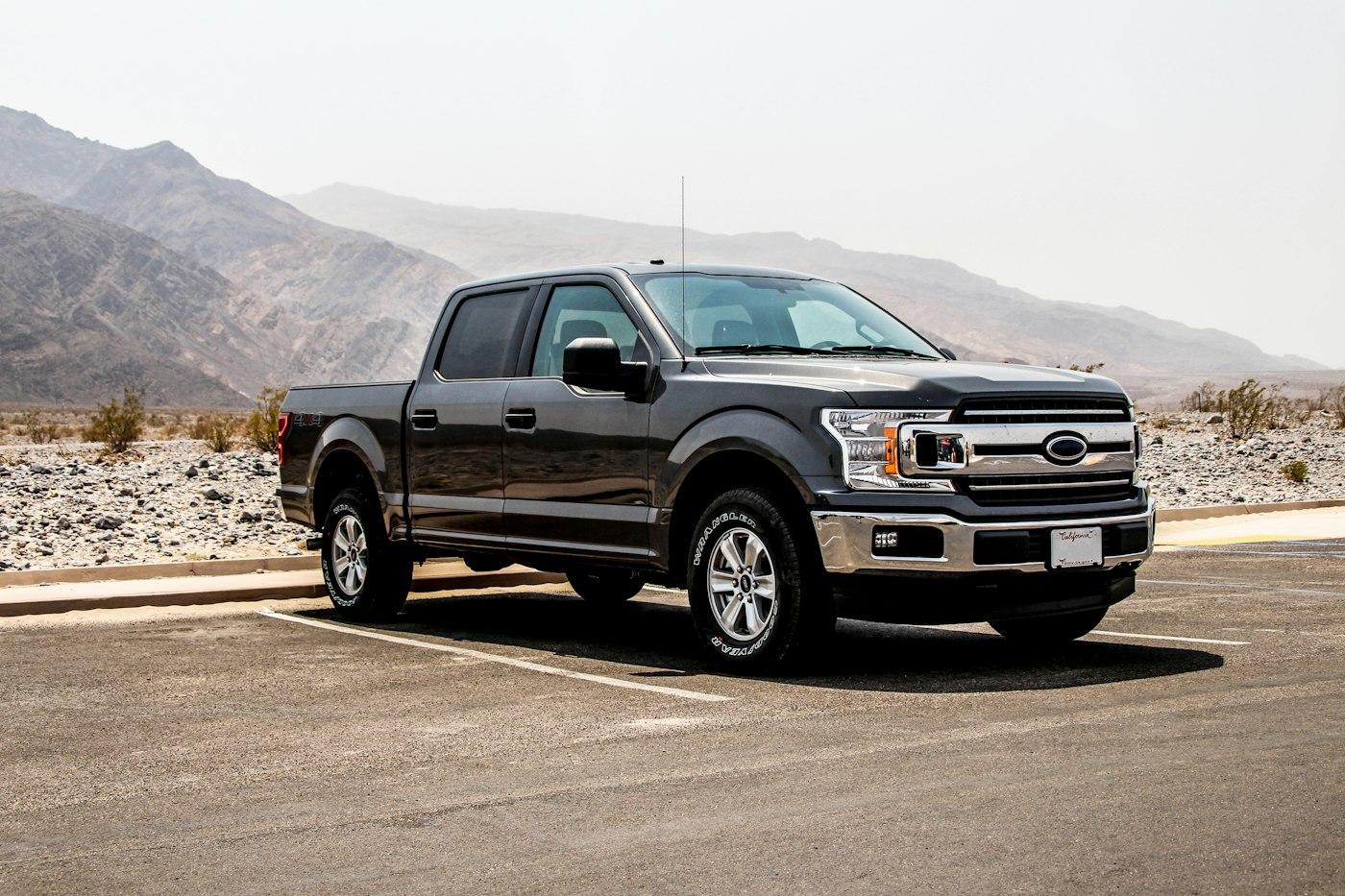
Commercial auto
Commercial auto insurance for California work trucks, vans and company cars, plus hired and non-owned auto, quoted with carriers such as NEXT and Travelers.
Learn moreWorkers' compensation
Workers' compensation insurance for California employers with one or more employees, quoted with carriers such as NEXT and Travelers from our Valencia office.
Learn more
Contractor insurance
Insurance for licensed California contractors: general liability, workers' comp, work trucks and tools, set up around CSLB rules and GC contracts.
Learn more
Questions we hear a lot
Business insurance: common questions
Short answers to what people ask us most. Anything else, call and ask Brian or Dolores.
Still have a question?
Talk to a licensed agent at the Valencia office.
(818) 909-7486Mon to Fri, 9 AM to 4 PM
Is business insurance required by law in California?
Some of it is. Workers' compensation is required as soon as you have an employee, and every vehicle your business drives on California roads needs auto liability coverage. State law doesn't require most businesses to carry general liability, but leases, client contracts and city permits usually do. A few licenses add their own rules; contractors licensed as an LLC, for example, must carry liability insurance under CSLB rules.
How much does small business insurance cost in California?
It depends on the business. A home-based consultant and a restaurant with a dozen employees can be worlds apart, because carriers price on the type of work, revenue, payroll, location, claims history and the limits you pick. We don't publish sample prices. Give us a few details about your business and we'll get real quotes from the carriers that fit.
Does my homeowners policy cover a business I run from home?
Usually only a little, if at all. Homeowners policies typically limit coverage for business equipment and exclude liability from business activities, like a client tripping on your front steps during a meeting. Depending on the business, an endorsement on your home policy may be enough, or you may need general liability or a business owner's policy. Tell us what you do from home and we'll check both routes.
What's the difference between general liability and professional liability?
General liability covers physical harm: someone gets hurt, or their property gets damaged, because of your business. Professional liability covers financial harm caused by a mistake in your professional work, like bad advice, an error in a report or a missed deadline. A consultant who meets clients in person may need both. A retail shop usually needs only general liability.
Can I get proof of insurance the same day I buy a policy?
In many cases, yes. Once a policy is in force, a certificate of insurance can usually be issued quickly, and NEXT lets policyholders download certificates from its app or website at any hour. If your landlord or client must be listed as an additional insured with special wording, send that language along with the request so the endorsement and certificate are right the first time.
Do I need commercial auto insurance if I drive my own car for work?
It depends on how you use it. An occasional errand for the business is different from daily deliveries or hauling tools to job sites, and personal auto policies can limit or exclude business use. A vehicle the business owns usually needs a commercial policy. If employees drive their own cars for work, ask about hired and non-owned auto coverage. Our commercial auto page has more.
Keep reading
Related coverage

Free quote · No obligation
Get a free business insurance quote
Tell us what you want to insure and Brian will compare carriers, then we'll call you back. Prefer to talk it through? Call the office.
- Mon to Fri, 9 AM to 4 PM. During business hours we usually call back within the hour.
- CA License #0D44425 · 30 years of experience