
Earthquake insurance · California
Earthquake Insurance for California Homes
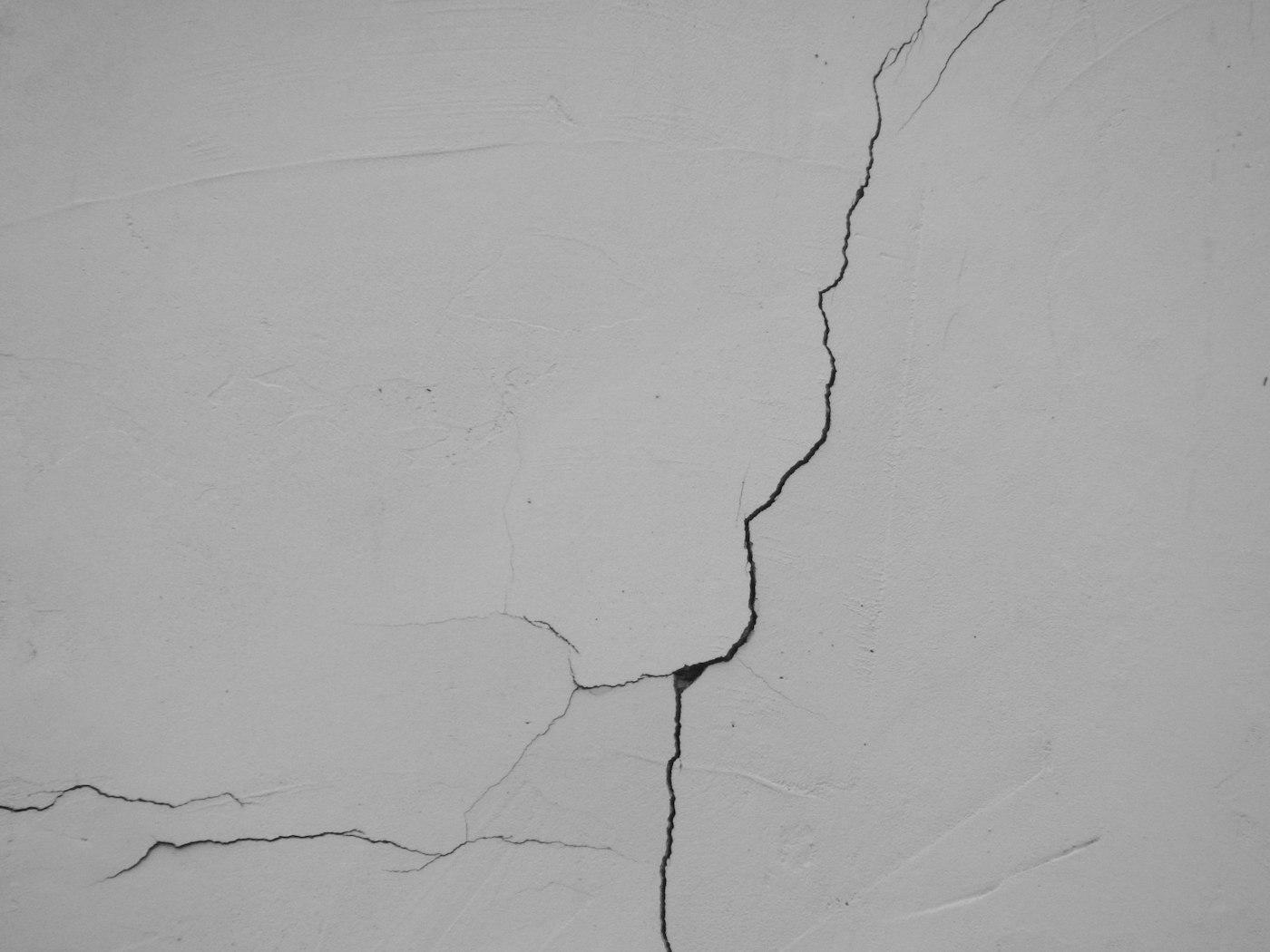
Your homeowners policy doesn't pay for earthquake damage, and in the Santa Clarita Valley plenty of people still remember what the 1994 Northridge quake did. Earthquake insurance is its own policy, with its own deductible and rules. We'll help you compare California Earthquake Authority and private options and work out whether the cost makes sense for your house.
- Licensed in CA · #0D44425
- Free quotes, no obligation
- Call-back usually within the hour
At a glance
- Homeowners, condo and renters policies in California don't cover earthquake damage. It takes a separate policy.
- Your home insurer must offer earthquake coverage in writing every other year. You have 30 days to accept, and no reply counts as a no.
- CEA deductibles are a percentage of your dwelling limit: 5%, 10%, 15%, 20% or 25%, and some homes start at 15%.
- The CEA gives a discount of up to 25% for a verified retrofit, and Earthquake Brace + Bolt grants of up to $3,000 can help pay for the work.
- Fire caused by an earthquake is paid by your homeowners policy, because California law requires it.
Earthquake insurance
Coverage options, in plain English
What each part of a policy can pay for. The exact coverage depends on the policy and the carrier, and we go through it with you before you buy.
Not sure which parts you need?
Tell us what you're insuring and we'll explain the trade-offs before you sign.
Get my free quoteDwelling
Repairs or rebuilds the house and attached structures, like an attached garage. On a CEA policy the limit matches your homeowners dwelling limit.
Personal property
Furniture, appliances, clothing and other belongings damaged in the quake. On some policies it carries its own deductible.
Loss of use
Rent and other extra living costs while the home is unsafe or authorities keep you out. On CEA policies this part has no deductible.
Building code upgrades
The added cost of rebuilding to current code. Every CEA homeowners policy includes some, and you can buy a higher limit.
Emergency repairs
Boarding up, stopping water intrusion and other urgent work to prevent more damage. On a CEA policy the first $1,500 has no deductible.
On this page8
Why doesn't homeowners insurance cover earthquakes?
Short answer
California homeowners policies exclude earthquake as a cause of loss, and the risk is sold as separate coverage. Insurers have to offer it to you, but you decide whether to buy it and pay its own premium.
The 1994 Northridge earthquake shows how big that separate risk can be. That magnitude 6.7 quake caused more than $20 billion in residential damage, about half of it insured, according to the California Earthquake Authority. Insurers had badly underestimated the cost, and by 1995 companies holding nearly 95 percent of the state's residential market had restricted or stopped selling homeowners policies.
The Legislature responded in 1996 by creating the CEA, a not-for-profit, publicly managed and privately funded entity that now provides most of California's residential earthquake coverage. You can't buy from the CEA directly. Its policies are sold through participating home insurers.
Here in the Santa Clarita Valley, the Northridge quake brought down part of the Highway 14 and I-5 interchange at the Newhall Pass and damaged homes and businesses across the valley. For a family that owns a house here, the real question is how much of a repair bill like that you could carry without help.
What is the difference between a CEA policy and a private earthquake policy?
Short answer
A CEA policy is sold only through participating home insurers and must come from the same company as your homeowners policy. Private earthquake policies come from other insurers, often as stand-alone policies, so deductibles, limits and contents options can differ.
CEA and private earthquake policies at a glance
Where do you buy it?
- CEA policy
- From your home insurer, if it participates in the CEA
- Private policy
- From a separate insurer, usually without changing your home policy
How is the dwelling limit set?
- CEA policy
- It matches your homeowners dwelling limit
- Private policy
- By that insurer's own rules
What deductibles are offered?
- CEA policy
- 5% to 25% of the dwelling limit
- Private policy
- Varies by policy and insurer
Does loss of use have a deductible?
- CEA policy
- No
- Private policy
- Depends on the policy
When can you buy?
- CEA policy
- Any time before an earthquake strikes
- Private policy
- Depends on the insurer's rules
| Question | CEA policy | Private policy |
|---|---|---|
| Where do you buy it? | From your home insurer, if it participates in the CEA | From a separate insurer, usually without changing your home policy |
| How is the dwelling limit set? | It matches your homeowners dwelling limit | By that insurer's own rules |
| What deductibles are offered? | 5% to 25% of the dwelling limit | Varies by policy and insurer |
| Does loss of use have a deductible? | No | Depends on the policy |
| When can you buy? | Any time before an earthquake strikes | Depends on the insurer's rules |
We don't start from the idea that one is better. We can help you compare a CEA policy with private options for the same house and explain where deductibles, contents limits and living-expense limits differ. Which options are open to you depends on who insures your home and on the property itself, so we'll tell you upfront what we can quote.
One detail that surprises people: the CEA lists the California FAIR Plan among its participating insurers, so having a FAIR Plan dwelling policy doesn't rule out CEA earthquake coverage. Our California FAIR Plan guide explains how that policy works.
What does a CEA earthquake policy cover?
Short answer
The CEA homeowners policy pays for damage to the dwelling, your personal property and the extra cost of living elsewhere, plus building code upgrades and emergency repairs. Exclusions and special limits apply, so read the policy form before you buy.
- The goal is a livable home. As the CDI puts it, earthquake insurance for homeowners is meant to help put a roof back over your head. It won't replace everything you lost.
- Building code upgrades: $10,000 is included with every CEA homeowners policy, and you can buy a higher limit. Older homes often need code work after major damage.
- Emergency repairs: there's no deductible on the first $1,500, which helps pay for boarding up and keeping water out right after a quake.
- Loss of use: the CEA says this part never has a deductible, which matters if you have to move out while the house is repaired.
What earthquake policies usually leave out
Common exclusions include land, vehicles and flood. Earthquake policies also don't pay for fire, because California law requires your homeowners or renters policy to cover fire caused by or following an earthquake.
Condo owners and renters can buy CEA coverage too. A condo policy can cover the inside of your unit, your belongings, living costs and loss assessment, and a renters policy covers belongings and temporary housing. See condo insurance and renters insurance in California for how earthquake fits with each.
How do earthquake insurance deductibles work?
Short answer
A CEA deductible is a percentage of your dwelling coverage limit, chosen from 5%, 10%, 15%, 20% or 25%. A lower percentage costs more in premium but leaves you less to pay after a quake.
Here's the math on a house insured for $600,000. A 15% deductible means the first $90,000 of covered damage to the house is yours, and the policy pays the rest up to the limit. At 10%, your share would be $60,000. Cracked drywall and broken dishes may never reach a deductible that size; the policy is built for serious structural damage.
- Homes insured for more than $1,000,000 can't choose the 5% or 10% options.
- Wood-frame homes built before 1980 that aren't on a slab foundation and have no verified retrofit start at 15%.
- Homeowners Choice policies let personal property carry its own deductible, which the CEA waives if damage to the house already exceeds the dwelling deductible.
See your deductible in dollars
Tell us your dwelling limit, year built and foundation type. We'll show what each deductible would leave you paying before you choose.
Is earthquake insurance worth it for a Santa Clarita home?
Short answer
It comes down to whether you could pay for major repairs yourself and still cover the mortgage and property taxes. Northridge showed what a nearby quake can do to this valley, but a percentage deductible means the policy mainly helps after serious damage.
- Could you rebuild without it? Add up repairs, temporary housing, and the mortgage and property tax bills that keep coming due.
- Would federal aid cover it? The CDI says the main federal help after a disaster is a low-interest loan you must qualify for and repay. FEMA grants for repairs and rent are only for people who don't qualify for those loans.
- Is your house higher risk? The CDI flags older homes, brick or masonry homes and homes with more than one story. Wood-frame houses on raised foundations built before 1980 are the ones Brace + Bolt grants target.
Our page on Santa Clarita home insurance covers the other local risks, including wildfire, and the Santa Clarita area page explains how we work with neighbors from Newhall to Castaic.
Can a seismic retrofit lower your earthquake premium?
Short answer
Yes, on a CEA policy. A verified retrofit on an older wood-frame house with a raised or other non-slab foundation can earn a discount of up to 25%, and Earthquake Brace + Bolt grants can help pay for the work.
CEA retrofit discounts for single-family homes
Raised foundation
- Built 1940 to 1979
- 20%
- Built 1939 or earlier
- 25%
Other non-slab foundation
- Built 1940 to 1979
- 10%
- Built 1939 or earlier
- 15%
| Foundation type | Built 1940 to 1979 | Built 1939 or earlier |
|---|---|---|
| Raised foundation | 20% | 25% |
| Other non-slab foundation | 10% | 15% |
- It isn't automatic. An inspection professional, such as a contractor or structural engineer, completes the CEA's Dwelling Retrofit Verification form, and it goes to your insurer.
- The water heater counts. It has to be secured to the building frame.
- Slab homes are already priced lower. Their rate reflects the lower risk, so they don't get this discount.
Earthquake Brace + Bolt (opens in a new tab), run by the California Residential Mitigation Program, offers grants of up to $3,000 toward a code-compliant retrofit of a wood-framed, pre-1980 house on a raised foundation. Income-eligible households can receive up to $7,000 more. Santa Clarita ZIP codes 91321, 91350, 91351, 91354, 91355, 91381, 91384, 91387 and 91390 were all on the 2025 eligibility list. Registration opens for a limited time each year, so check the current list and dates before you hire a contractor.
How we help you decide on earthquake coverage
- 1
Find your offer letter
Pull the earthquake offer your home insurer mails every other year, or your earthquake declarations page if you already have a policy.
- 2
Gather the house facts
Year built, foundation type, number of stories, any retrofit paperwork and your current dwelling limit.
- 3
Compare in dollars
We help you line up the CEA and private options open to you: deductible amounts, contents limits and living-expense limits.
- 4
Buy it or pass, knowingly
Ask us which of those options we can place for your home. If you pass, you'll know exactly how much risk you're keeping.
Earthquake coverage sits on top of a solid home policy, so start with homeowners insurance in California if you're shopping the house too. Households with cars can roll everything into one review on our home and auto bundle page. Weekdays from 9 to 4, Dolores or Brian usually returns calls within the hour.
Sources we used for this page (13)
- 1California Department of Insurance: Earthquake insurance guide (opens in a new tab)insurance.ca.gov
- 2CDI: Earthquake Insurance brochure (Form 925, October 2024) (opens in a new tab)insurance.ca.gov
- 3California Earthquake Authority: Homeowners policies (opens in a new tab)earthquakeauthority.com
- 4California Earthquake Authority: Coverages and deductibles (opens in a new tab)earthquakeauthority.com
- 5California Earthquake Authority: Premium discounts (opens in a new tab)earthquakeauthority.com
- 6California Earthquake Authority: How to buy (opens in a new tab)earthquakeauthority.com
- 7California Earthquake Authority: Participating insurers (opens in a new tab)earthquakeauthority.com
- 8California Earthquake Authority: CEA history (opens in a new tab)earthquakeauthority.com
- 9California Earthquake Authority: Northridge earthquake remembered (2019) (opens in a new tab)earthquakeauthority.com
- 10California Residential Mitigation Program: Earthquake Brace + Bolt (opens in a new tab)crmp.org
- 11CRMP: 2025 EBB ZIP codes in Southern California (opens in a new tab)crmp.org
- 12The Santa Clarita Valley Signal: 30 years since 6.7 (January 2024) (opens in a new tab)signalscv.com
- 13California Insurance Code section 10081 (earthquake coverage offer) (opens in a new tab)california.public.law
Questions we hear a lot
Earthquake insurance: common questions
Short answers to what people ask us most. Anything else, call and ask Brian or Dolores.
Still have a question?
Talk to a licensed agent at the Valencia office.
(818) 909-7486Mon to Fri, 9 AM to 4 PM
How much does earthquake insurance cost in California?
There's no single price. The CDI lists the main factors as your home's location, the cost to rebuild, the type of construction, the coverages you pick and the deductible. A pre-1980 house on a raised foundation without a retrofit will usually price differently than a newer slab home nearby. The CEA's premium calculator (opens in a new tab) gives a rough estimate, and we can help you compare actual quotes.
Does homeowners insurance cover earthquake damage in California?
No. Standard homeowners, condo and renters policies exclude earthquake damage, so you need a separate earthquake policy. The exception is fire: California law requires your homeowners or renters policy to cover fire caused by or following an earthquake, whether or not you carry earthquake coverage. Damage from the shaking itself, like a cracked foundation or a fallen chimney, needs the earthquake policy.
Can I buy earthquake insurance any time?
Yes. The CEA says you can buy one of its policies any time before an earthquake strikes, through your participating home insurer, without waiting for your renewal date. What you can't do is buy coverage for damage that already happened. The CDI also warns that premiums may be higher after a big quake, so waiting for the next one to decide is a poor plan.
Do I have to buy a CEA policy from my homeowners insurance company?
Yes. A CEA policy must come from the same participating insurer that writes your homeowners, condo, mobilehome or renters policy. If your home carrier doesn't participate in the CEA, a private earthquake policy may be the way to go, or you can weigh that when you choose a home carrier. We'll tell you which route fits your current policy before you change anything.
Will FEMA pay to fix my house after an earthquake?
Probably not in the way people hope. According to the California Department of Insurance, the main form of federal disaster relief is a low-interest loan, and you have to show you can repay it. FEMA grants for emergency home repairs and temporary rent are only for people who don't qualify for those loans. Earthquake insurance is the part of the plan you control.
Is my Santa Clarita house eligible for an Earthquake Brace + Bolt grant?
It may be. The program's 2025 list included Santa Clarita's residential ZIP codes, such as 91321 in Newhall, 91350 in Saugus, 91355 in Valencia and 91387 in Canyon Country. The house itself must be wood-framed, built before 1980 and sitting on a raised foundation with a crawl space. Check the current ZIP list, house requirements and registration window on the program's site before you hire anyone.
Do condo owners need their own earthquake policy?
It's worth a close look. Your HOA's master policy may not include earthquake, and after damage the association can charge owners an assessment to repair the building. A CEA condo policy can cover the inside of your unit, your belongings, living costs while you're out, and loss assessment. Read your HOA's insurance summary first, then compare it with a condo earthquake quote.
Keep reading
Related coverage
Home insurance
Homeowners insurance for California houses, quoted with carriers like Mercury and Travelers by a family-run independent agency in Valencia.
Learn more
Home insurance in Santa Clarita
A tract home near the Valencia paseos and a house at the top of Sand Canyon can get very different answers from the same insurer.
Learn more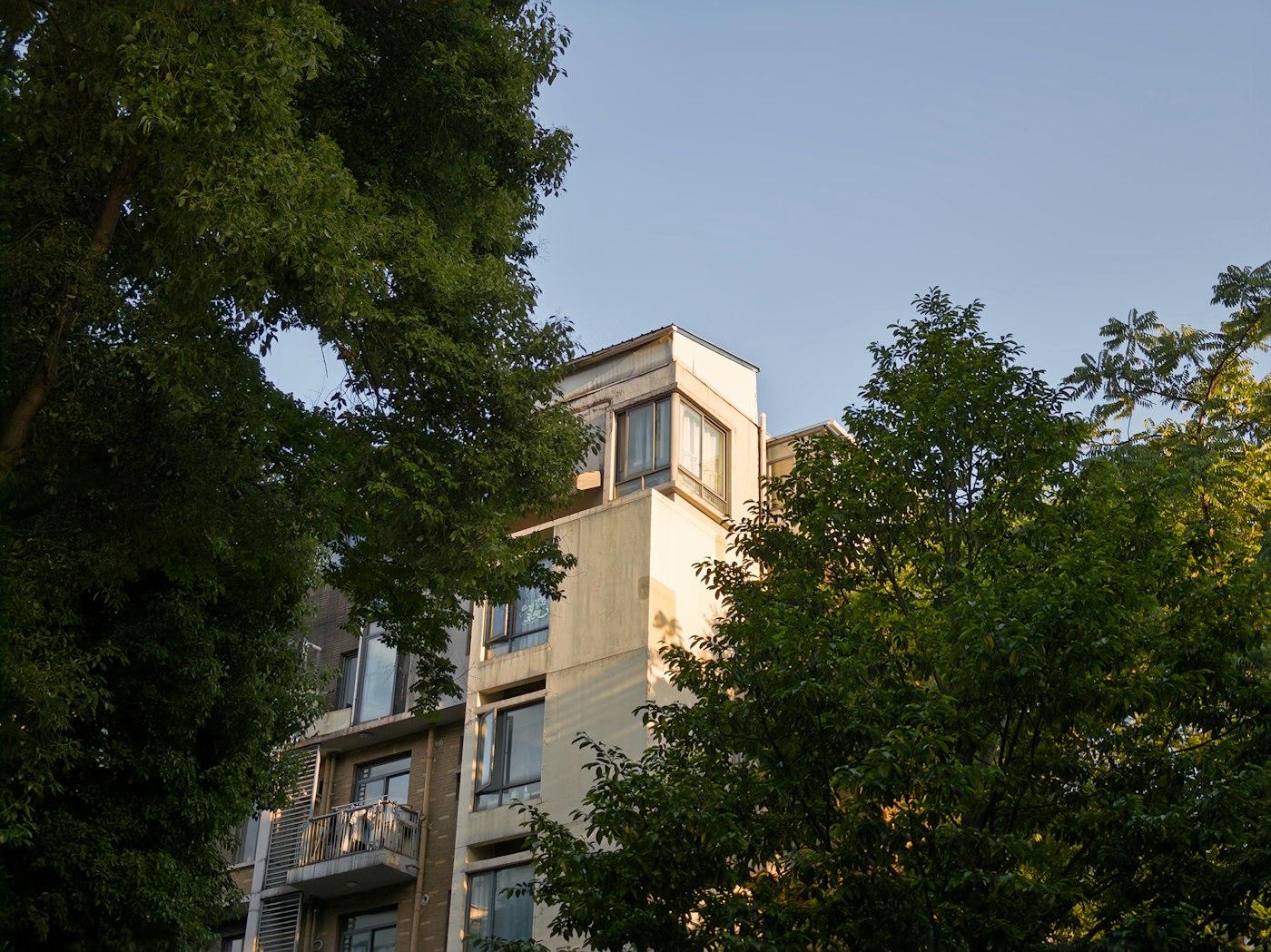
Condo insurance
HO-6 condo insurance for California owners: walls-in coverage, loss assessment and liability, quoted with carriers such as Mercury and Travelers from Valencia.
Learn more
Renters insurance
Renters insurance for California apartments, houses and rooms: belongings, liability and loss of use, quoted with carriers such as Mercury and Travelers.
Learn more
Home & auto bundle
Home and two-car auto policies priced together and separately, so you can see whether bundling with one carrier pays off.
Learn more
Santa Clarita
We're Brian Iriana and Dolores Alvarez, a two-person independent agency with 30 years of experience and an office on Avenue Stanford in Valencia.
Learn moreCalifornia FAIR Plan guide
The California FAIR Plan is where a house goes when regular insurers say no.
Learn more
Free quote · No obligation
Get a free earthquake insurance quote
Tell us what you want to insure and Brian will compare carriers, then we'll call you back. Prefer to talk it through? Call the office.
- Mon to Fri, 9 AM to 4 PM. During business hours we usually call back within the hour.
- CA License #0D44425 · 30 years of experience