

General liability · California
General Liability Insurance for California Businesses
General liability is the policy that pays when your business hurts someone or damages their property: the customer who trips over a cord in your store, or the painter whose ladder goes through a client's window. It's also the coverage landlords, general contractors and cities want proof of. We quote it through carriers such as NEXT and Travelers, and inside Mercury's business owner's policy.
- Licensed in CA · #0D44425
- Free quotes, no obligation
- Call-back usually within the hour



At a glance
- General liability pays for bodily injury and property damage your business causes to other people, for personal and advertising injury such as libel or slander, and for your defense in covered lawsuits.
- It does not cover your own property, your employees' injuries, your vehicles or mistakes in professional advice.
- A certificate only proves coverage. California Insurance Code section 384 requires it to say it doesn't change the policy, so making a client or landlord an additional insured takes an endorsement.
- The CSLB doesn't require most contractors to carry it, but contractors licensed as an LLC must carry at least $1 million in liability coverage.
General liability
Coverage options, in plain English
What each part of a policy can pay for. The exact coverage depends on the policy and the carrier, and we go through it with you before you buy.

Not sure which parts you need?
Tell us what you're insuring and we'll explain the trade-offs before you sign.
Get my free quoteBodily injury
Medical bills, lost income and legal damages when someone outside your business is hurt at your location or by your work.
Property damage
Repair or replacement when your business damages property that belongs to someone else, like a dolly that gouges a client's hardwood floor.
Personal and advertising injury
Claims of libel, slander, false arrest, invasion of privacy, or copying someone's copyrighted material or slogan in your advertising.
Products and completed operations
Injuries or damage caused by something you sold or made, or by work you finished, after it leaves your hands.
Medical payments
Small medical bills for someone hurt at your business, paid without a lawsuit and regardless of fault.
Damage to premises rented to you
Damage you cause to space you rent, such as a fire that starts in your unit.
Legal defense
The insurer defends you against covered lawsuits, even groundless ones. In most standard forms, defense costs don't reduce your limits.
On this page8
What does general liability insurance cover?
Short answer
It pays for injuries and property damage your business causes to people outside it, for certain offenses like libel and slander, and for your legal defense when you're sued over a covered claim.
Standard policies come in three parts. Coverage A handles bodily injury and property damage. Coverage B handles personal and advertising injury, such as libel, slander, false arrest or using someone's copyrighted material in an ad. Coverage C pays small medical bills for people hurt on your premises, with no lawsuit and no finding of fault required.
The California Department of Insurance (opens in a new tab) breaks the coverage into three working parts: premises liability for your location and operations, products liability for goods you make, sell or distribute, and completed operations for work you've finished. That last part matters to contractors, since problems can surface well after the final invoice.
What doesn't general liability cover?
Short answer
It doesn't cover your own property, injuries to your employees, vehicles, professional mistakes or harm you intended. Each of those calls for a different policy or endorsement.
- Employee injuries: that's workers' compensation, which California requires from your first employee.
- Vehicles: accidents in cars, vans and trucks belong on commercial auto insurance.
- Your own property: tools, equipment, inventory and buildings need property coverage, often through a business owner's policy.
- Professional mistakes: financial harm from advice or design errors needs professional liability.
- Your own work: the policy isn't there to pay for redoing faulty work. In the CSLB's words, general liability "is not intended to cover the work the contractor performs."
- Liquor, pollution and intentional harm: alcohol sellers need liquor liability, and pollution and deliberate injury are excluded in most forms.
- Employment practices: claims of harassment, discrimination or wrongful firing go to a separate employment practices policy.
Property in your care
Damage to property you're working on, storing or hauling for a customer can fall outside the policy under what the CDI's guide calls the "care, custody, and control" exclusion. If you handle other people's things, ask about coverage for them.
Who needs general liability insurance in California?
Short answer
Nearly any business that meets the public, works on other people's property, sells products, or signs a lease or contract. State law doesn't require it for most businesses, but landlords and clients usually do.
Contractors have specific rules. The Contractors State License Board (opens in a new tab) requires contractors licensed as an LLC to carry liability insurance with a cumulative limit of at least $1 million when five or fewer people are listed on the license, plus $100,000 for each additional person, up to $5 million. Contractors building a single-family home for an owner who plans to live in it must also disclose in writing whether they carry commercial general liability.
For everyone else, the requirement shows up in paperwork: a commercial lease, a general contractor's subcontract, a property manager's vendor agreement or a city permit. Our contractor insurance page covers the rest of the CSLB picture.
How do certificates of insurance and additional insureds work?
Short answer
A certificate of insurance is a one-page snapshot of your coverage that you give to whoever asked for proof. Adding someone as an additional insured is a separate step: an endorsement that extends your policy's protection to them for claims tied to your work.
The standard certificate form, often called an ACORD 25, lists your policies, policy numbers, dates and limits. Under California Insurance Code section 384, a certificate must state that it isn't an insurance policy and doesn't amend, extend or alter the coverage. That's why careful landlords and contractors want the endorsement, not just the certificate.
Contract wording you may run into
- Additional insured: the client or landlord is covered under your policy for claims arising from your work or your use of their space.
- Primary and non-contributory: your policy responds first and doesn't ask their insurer to share the loss.
- Waiver of subrogation: your insurer gives up its right to recover what it paid from them.
- Notice of cancellation: they want to hear about it if your policy is canceled.
Cities ask too. Santa Clarita's film office, for one, requires at least $1 million in general liability and an endorsement naming the City before it issues a permit; see business insurance in Santa Clarita.
NEXT customers can generate certificates themselves, additional insureds included, from NEXT's app or website. With other carriers, send us the contract language and we'll request the endorsement and certificate together.
How much general liability coverage do you need?
Short answer
Enough to satisfy your contracts and protect what you've built. $1 million per occurrence is a limit many landlords, clients and permits ask for, usually paired with a higher aggregate limit for the policy year.
The limits on a general liability policy
Each occurrence
- What it caps
- The most the policy pays for one accident or incident
General aggregate
- What it caps
- The most it pays for all claims in a policy year, except products and completed operations
Products-completed operations aggregate
- What it caps
- A separate yearly cap for claims from things you sold or work you finished
Personal and advertising injury
- What it caps
- The cap for claims like libel, slander or ad disputes
Damage to premises rented to you
- What it caps
- The cap for damage you cause to space you rent
Medical expense
- What it caps
- The per-person cap on no-fault medical payments
| Limit | What it caps |
|---|---|
| Each occurrence | The most the policy pays for one accident or incident |
| General aggregate | The most it pays for all claims in a policy year, except products and completed operations |
| Products-completed operations aggregate | A separate yearly cap for claims from things you sold or work you finished |
| Personal and advertising injury | The cap for claims like libel, slander or ad disputes |
| Damage to premises rented to you | The cap for damage you cause to space you rent |
| Medical expense | The per-person cap on no-fault medical payments |
When a contract asks for more than your policy carries, an umbrella or excess liability policy can stack extra limits on top.
What affects the cost of general liability in California?
Short answer
What you do matters most, followed by the size of the business (usually revenue or payroll), your claims history and the limits you choose. A desk-based business and a roofing crew are priced in different worlds.
- Business class: what you actually do, described accurately. The wrong class can mean a surprise at audit or a coverage dispute.
- Exposure: your projected revenue or payroll. Many policies are audited after the year ends and adjusted to the real numbers.
- Subcontractors: whether the subs you hire carry their own insurance.
- Claims history, limits and deductible.
Collect certificates from your subs
Ask every subcontractor for a current certificate before they start. Payments to uninsured subs can be added to your premium when the policy is audited.

Get a general liability quote
Send us what you do and what your contract requires. We'll compare the carriers that fit your business and call you with options.
How do we quote general liability?
Short answer
Tell us what your business does and what your contracts require. We compare carriers, explain the differences and help get your certificates out once you're covered.
- 1
Describe the work
The services you provide, where you do them, revenue or payroll, and whether you hire subcontractors.
- 2
Share the requirements
The insurance section of your lease or contract, including any additional insured or primary and non-contributory language.
- 3
Compare quotes
We line up options from carriers such as NEXT and Travelers, plus a business owner's policy if property coverage would help.
- 4
Sign and share certificates
Sign by e-signature, and we'll get the certificates and endorsements issued.
We're at 25060 Avenue Stanford in Valencia and work with businesses across California by phone, email and e-signature. Reach us on a weekday between 9 and 4 and one of us usually calls back within the hour.
Sources we used for this page (7)
- 1California Department of Insurance: Commercial Insurance guide (commercial general liability) (opens in a new tab)insurance.ca.gov
- 2Insurance Information Institute: Commercial general liability insurance (opens in a new tab)iii.org
- 3Contractors State License Board: Licenses for limited liability companies (liability insurance) (opens in a new tab)cslb.ca.gov
- 4Contractors State License Board: Information about commercial general liability insurance (opens in a new tab)cslb.ca.gov
- 5California Insurance Code section 384 (certificates of insurance) (opens in a new tab)california.public.law
- 6City of Santa Clarita Film Office: Film rules and FAQs (insurance requirements) (opens in a new tab)film.santaclarita.gov
- 7ERGO NEXT Insurance: Certificates of insurance (opens in a new tab)nextinsurance.com
General liability
Carriers we can quote
We work with 30 insurance companies, so we can run your details with carriers like NEXT, Travelers and Mercury Insurance, then show you the options side by side. Each carrier makes its own underwriting decision, so acceptance and final rates are up to them. We'll tell you which ones fit before we quote.
Not every carrier writes every property, vehicle or business. Final rates and eligibility are set by the insurance company.
Questions we hear a lot
General liability: common questions
Short answers to what people ask us most. Anything else, call and ask Brian or Dolores.
Still have a question?
Talk to a licensed agent at the Valencia office.
(818) 909-7486Mon to Fri, 9 AM to 4 PM
Is general liability insurance required in California?
Not by state law for most businesses. The main exceptions come from licensing rules for certain trades; contractors licensed as an LLC, for example, must carry liability insurance of at least $1 million under CSLB rules. In practice most businesses end up needing it anyway, because commercial leases, client contracts and city permits require proof of coverage before you can move in or start work.
How much does general liability insurance cost in California?
It depends mostly on what you do. Carriers price general liability by business class, then adjust for revenue or payroll, location, claims history and the limits you pick. A bookkeeper working from home pays far less than a contractor working on roofs, even at the same limit. That's why we quote each business on its own details.
Does general liability cover my employees if they get hurt at work?
No. Injuries to your own employees are excluded and belong under workers' compensation, which California requires once you have even one employee. General liability is for people outside your business: customers, clients, vendors and the public. If a subcontractor's worker gets hurt on your job, coverage depends on the facts and your contracts, so tell us how you use subs.
Will general liability pay if I damage a customer's property while working on it?
It depends on what gets damaged. Harm to other parts of the customer's property is often covered, like a dropped tool that cracks their tile floor while you're fixing a sink. But policies usually exclude damage to the specific property you're working on, and they won't pay to redo faulty work. If you regularly handle customers' property, ask about coverage for it.
What does "primary and non-contributory" mean?
It means your policy pays first on a covered claim involving the additional insured, and it won't ask their own insurer to chip in. Landlords, general contractors and cities often require it. It has to be added to your policy by endorsement; typing it on a certificate doesn't create it. Send us the exact contract wording so the endorsement matches what was requested.
Keep reading
Related coverage
Business insurance
Small business insurance in California: general liability, BOPs, workers' comp and commercial auto, quoted through carriers such as NEXT, Travelers and Mercury from Valencia.
Learn moreBusiness owner's policy (BOP)
A business owner's policy bundles property, general liability and business income coverage for small California businesses. Carriers we quote include NEXT, Travelers and Mercury.
Learn more
Contractor insurance
Insurance for licensed California contractors: general liability, workers' comp, work trucks and tools, set up around CSLB rules and GC contracts.
Learn moreWorkers' compensation
Workers' compensation insurance for California employers with one or more employees, quoted with carriers such as NEXT and Travelers from our Valencia office.
Learn more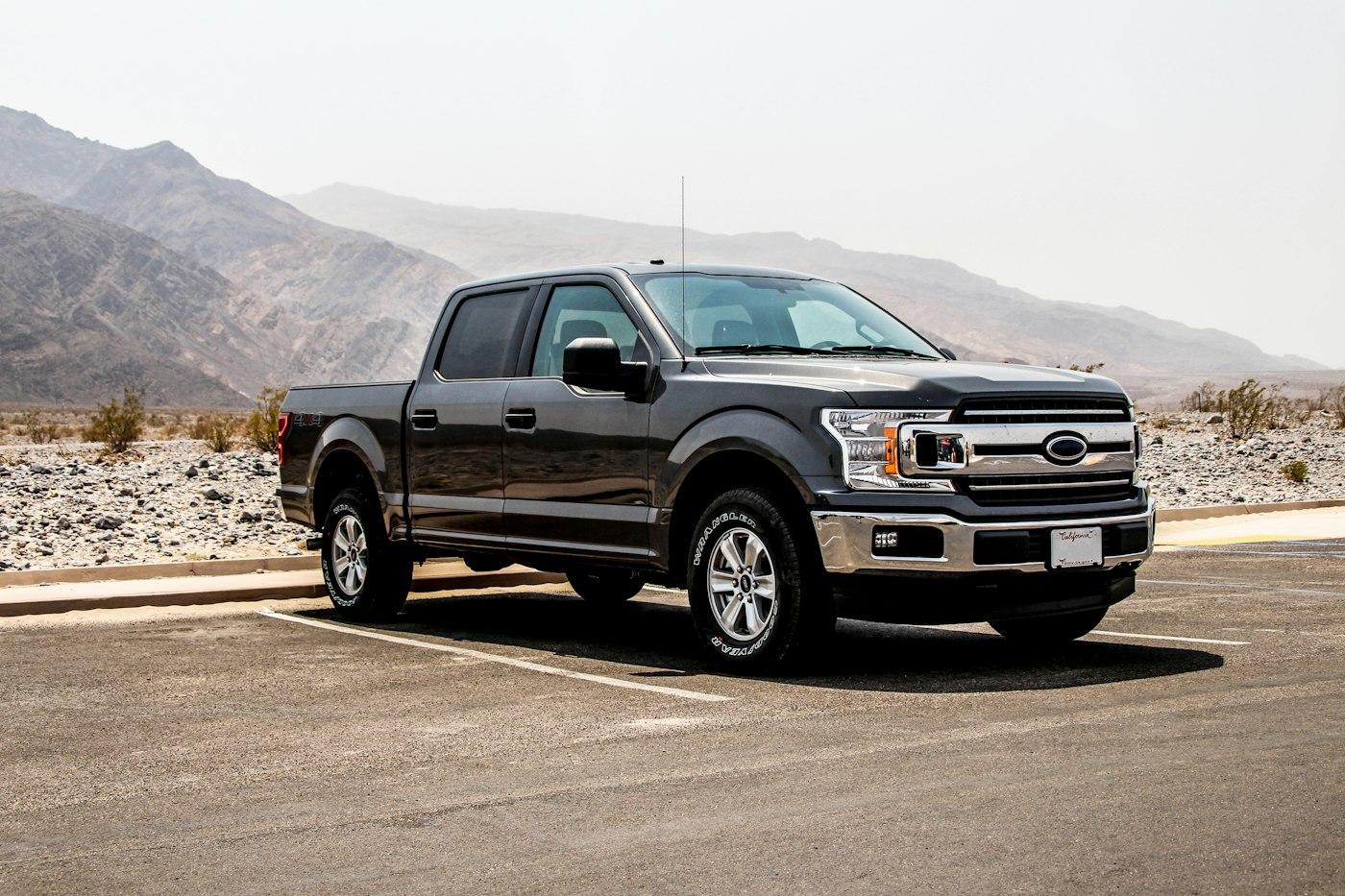
Commercial auto
Commercial auto insurance for California work trucks, vans and company cars, plus hired and non-owned auto, quoted with carriers such as NEXT and Travelers.
Learn more
Business insurance in Santa Clarita
Our office is in the Valencia Industrial Center, the 1,100-acre business park just east of I-5 that's home to manufacturers, distributors and service companies.
Learn more
Free quote · No obligation
Get a free business insurance quote
Tell us what you want to insure and Brian will compare carriers, then we'll call you back. Prefer to talk it through? Call the office.
- Mon to Fri, 9 AM to 4 PM. During business hours we usually call back within the hour.
- CA License #0D44425 · 30 years of experience