

Home insurance · California
Homeowners Insurance in California
California home insurance takes more care to shop than it used to: wildfire risk scores, rebuild estimates to check, and carriers that are choosy about new business. We're Brian Iriana and Dolores Alvarez, a two-person independent agency in Valencia with 30 years of experience. Brian quotes carriers such as Mercury and Travelers side by side and explains what each policy would actually pay.
- Licensed in CA · #0D44425
- Free quotes, no obligation
- Call-back usually within the hour
At a glance
- Earthquake and flood damage are excluded from standard California home policies. You buy each one separately.
- Insurers must deliver or mail a non-renewal notice at least 75 days before your policy ends, with the specific reason.
- The Safer from Wildfires regulation requires insurers to offer mitigation discounts, share your wildfire risk score and let you appeal it.
- The California FAIR Plan is a last-resort basic fire policy. A difference-in-conditions (DIC) policy can add water damage, theft and liability.
- Carriers we quote for homes include Mercury and Travelers, both named by the CDI in 2026 among insurers committing to stay and grow in California.
Home insurance
Coverage options, in plain English
What each part of a policy can pay for. The exact coverage depends on the policy and the carrier, and we go through it with you before you buy.
Not sure which parts you need?
Tell us what you're insuring and we'll explain the trade-offs before you sign.
Get my free quoteDwelling (Coverage A)
Repairs or rebuilds the house and anything attached to it, like an attached garage. The limit should match the cost to rebuild, not the sale price.
Other structures (Coverage B)
Detached structures such as a fence, shed, pool house or detached garage. The limit is usually a set share of your dwelling limit.
Personal property (Coverage C)
Furniture, clothes, electronics and tools. Jewelry, watches and collectibles often have special limits unless you schedule them separately.
Loss of use (Coverage D)
Extra living costs, such as rent and meals out, while a covered loss keeps you out of the house.
Personal liability (Coverage E)
Claims that you or someone in your household injured a person or damaged their property, including legal defense on a covered claim.
Medical payments (Coverage F)
Smaller medical bills for a guest hurt at your home, whoever was at fault. It doesn't cover you or people who live with you.
On this page9
What does a California homeowners policy cover?
Short answer
A standard homeowners policy has six parts. Coverages A through D pay for the house, other structures, your belongings and extra living costs, and Coverages E and F handle injury and damage claims made against you.
The most common form is the HO-3. It usually covers the house against any cause of loss the policy doesn't exclude, while your belongings are covered for a named list of causes such as fire, theft and water from a burst pipe. That difference matters if you ever compare it with the narrower, named-peril policy the FAIR Plan sells.
Coverage A drives most of the price and most of the risk. The California Department of Insurance (CDI) says the dwelling limit should equal the cost to rebuild, not the purchase price or market value, and notes that many homes were underinsured after past California wildfires. We go over the carrier's rebuild estimate with you: square footage, construction, roof and any remodel since you moved in.
What is the difference between replacement cost and actual cash value?
Short answer
Replacement cost pays to repair or rebuild without subtracting for age and wear. Actual cash value subtracts depreciation, so an older roof or a 12-year-old sofa pays out much less.
- Actual cash value (ACV): the cost to repair or replace, minus a deduction for depreciation. Lower premium, bigger gap after a loss.
- Replacement cost: repair or rebuild without that deduction, up to your limit. Many policies pay the ACV amount first and the rest once repairs are underway.
- Extended replacement cost: a cushion above your dwelling limit, set as a percentage or dollar amount, for when rebuilding costs more than planned, such as during a demand surge after a large disaster.
- Building code upgrade (ordinance or law): the extra cost of rebuilding to today's codes. Some policies leave it out, and older homes can need a lot of code work after a big loss.
Find your disclosure form
California requires your insurer to give you a Residential Property Insurance Disclosure when you apply and every other year at renewal. It shows which of these dwelling coverages you bought. Keep it handy when you compare quotes.
What doesn't homeowners insurance cover in California?
Short answer
Earthquake and flood are the two big gaps: a standard policy pays for neither. Mold, wear and tear, and damage from neglected maintenance are usually excluded as well.
Earthquake coverage is a separate policy, from the California Earthquake Authority or a private insurer. Your home insurer has to offer it in writing every other year, and if you don't reply within 30 days, that counts as a no. Our page on earthquake insurance in California explains percentage deductibles and retrofit discounts.
Flood coverage is separate too. FEMA's FloodSmart program says most homeowners insurance does not cover flood damage, so a house near a wash or creek bed deserves a second look. One bright spot: California law requires your homeowners policy to cover fire caused by or following an earthquake.
Why is home insurance harder to find in California right now?
Short answer
After years of large wildfire losses, several big carriers pulled back from writing new homeowners policies, and more owners ended up on the FAIR Plan. By mid-2026 the CDI reported FAIR Plan growth slowing for three straight quarters and 11 homeowners insurance groups committing to grow in the state.
Two similar houses can get very different answers. A home with a Class A roof on a newer street may draw quotes from more than one carrier, while one that backs onto open brush may get one offer or none, because carriers score wildfire risk for each property.
The CDI's Sustainable Insurance Strategy, completed in December 2024, lets insurers use wildfire catastrophe models in their rates if they commit to writing more policies in wildfire-distressed areas. Mercury and Travelers are both on the CDI's 2026 list of companies committing to stay and grow, and Travelers has told the CDI it plans to expand homeowners coverage statewide.
What the CDI tells FAIR Plan customers
In August 2026 the Department of Insurance advised FAIR Plan policyholders to shop the market regularly rather than assume the FAIR Plan is their only option, and to ask about companies writing new policies in their area. That is the daily work of an independent insurance agent.
Got a renewal you don't like?
Send your declarations page. We'll quote carriers like Mercury and Travelers and tell you if the FAIR Plan is still the only route.
When does the California FAIR Plan make sense?
Short answer
Only when no standard carrier will insure your home. The FAIR Plan is California's insurer of last resort and sells a basic, named-peril dwelling policy, so many owners pair it with a difference-in-conditions (DIC) policy.
- FAIR Plan dwelling policy: fire and lightning, internal explosion and smoke. Vandalism and malicious mischief can be added for an extra cost.
- DIC policy: a separate policy from a different insurer, built to sit alongside the FAIR Plan. It typically adds water damage, theft and liability.
- The trade-off: two policies, two bills and two companies to call after a loss, in exchange for keeping the house insured.
If your home lands there, we'll explain how the FAIR Plan and DIC pieces fit together, then shop the standard market again at every renewal. Our California FAIR Plan guide goes deeper on how the plan works and what it leaves out.
What are your rights if your insurer won't renew?
Short answer
California insurers must deliver or mail a non-renewal notice at least 75 days before the policy ends, with the specific reason. If the notice is late, your current policy stays in force on the same terms for 75 days from when the notice went out.
- A reason and a way to push back. The notice must state the reason, list a phone number for the insurer's consumer staff, and explain how to ask the Department of Insurance to review it.
- Where to look next. A home non-renewal notice must also describe the FAIR Plan, DIC policies and the CDI's online Home Insurance Finder (opens in a new tab).
- Wildfire moratoriums. After a declared wildfire emergency, insurers can't cancel or non-renew homes in ZIP codes inside or next to the fire perimeter for a year just because the fire happened. After the January 2025 Hughes Fire, that covered ZIP codes from Valencia to Castaic, including 91355 and 91384.
Don't wait for the last few weeks. Call us with the notice in hand so we can start shopping while you have time. Our home insurance non-renewal guide lays out the timeline, and the CDI hotline (800-927-4357) can review the insurer's reason.
Can wildfire mitigation lower your premium?
Short answer
It can. California's Safer from Wildfires regulation requires insurers to offer discounts for specific mitigation work, tell you your property's wildfire risk score and let you appeal it.
- The house: a Class A fire-rated roof, ember- and fire-resistant vents, enclosed eaves, multi-pane windows or shutters, and 6 inches of noncombustible material at the base of exterior walls.
- The yard: a 5-foot ember-resistant zone (including swapping attached wood fencing for metal), cleared space under decks, combustible sheds moved at least 30 feet away, and defensible space that meets state and local rules.
- The neighborhood: a recognized Firewise USA site or Fire Risk Reduction Community.
Discount size varies by carrier and isn't automatic. Mercury, for example, reviews photos of mitigation work sent through your agent, so photograph each project when it's done and email us the pictures. The full list is on the CDI's Safer from Wildfires page (opens in a new tab), and our article on wildfire risk and home insurance in Santa Clarita covers the local side.
How we quote a California home
- 1
Send the basics
Address, year built, square footage, roof age and your current declarations page if you have one. Mitigation photos help too.
- 2
We run the carriers that fit
Brian enters the same details with each carrier, such as Mercury and Travelers, so limits and deductibles line up for a fair comparison.
- 3
We compare line by line
Dwelling limit, extended replacement cost, code upgrade coverage, deductible, liability and anything a carrier flags about wildfire risk.
- 4
You choose and e-sign
Pick a policy, sign from your phone, and we time the start date to your escrow closing or your current renewal.
Insuring something other than the house you live in? See condo insurance for HO-6 policies and landlord insurance for rentals we can quote with carriers like Steadily and Obie. If you also have two cars, our home and auto bundle page explains how we price it both ways.
We quote homes across California from one office in Valencia, by phone, email and e-signature. Local guides: Santa Clarita, Bakersfield, Palmdale and Lancaster, Ventura, Orange County, Modesto and Turlock.
Sources we used for this page (15)
- 1California Department of Insurance: Residential Insurance Guide (opens in a new tab)insurance.ca.gov
- 2California Insurance Code section 678 (non-renewal notices) (opens in a new tab)california.public.law
- 3California Insurance Code section 10102 (Residential Property Insurance Disclosure) (opens in a new tab)california.public.law
- 4CDI: Safer from Wildfires (opens in a new tab)insurance.ca.gov
- 5CDI press release: wildfire safety regulation now state law (October 2022) (opens in a new tab)insurance.ca.gov
- 6CDI: FAIR Plan growth slows as the market shows signs of recovery (August 2026) (opens in a new tab)insurance.ca.gov
- 7CDI: Momentum continues to build under the Sustainable Insurance Strategy (May 2026) (opens in a new tab)insurance.ca.gov
- 8Insurance Journal: Travelers to expand homeowners insurance offering in California (April 2026) (opens in a new tab)amp.insurancejournal.com
- 9CDI: Mandatory one-year moratorium on non-renewals (opens in a new tab)insurance.ca.gov
- 10CDI Bulletin 2025-6: Hughes Fire moratorium ZIP codes (opens in a new tab)insurance.ca.gov
- 11California FAIR Plan: Dwelling policy (opens in a new tab)cfpnet.com
- 12California FAIR Plan: Difference in Conditions policies (opens in a new tab)cfpnet.com
- 13CDI: Earthquake insurance guide (opens in a new tab)insurance.ca.gov
- 14FEMA FloodSmart (opens in a new tab)floodsmart.gov
- 15Mercury Insurance: California wildfire mitigation (opens in a new tab)mercuryinsurance.com
Home insurance
Carriers we can quote
We work with 30 insurance companies, so we can run your details with carriers like Mercury Insurance and Travelers, then show you the options side by side. Each carrier makes its own underwriting decision, so acceptance and final rates are up to them. We'll tell you which ones fit before we quote.


Not every carrier writes every property, vehicle or business. Final rates and eligibility are set by the insurance company.
In your city
Home insurance by city
Local details for the areas we serve most. Every policy is handled by the same two people at our Valencia office.
 Home insuranceSanta ClaritaLos Angeles CountySee the local page
 Home insuranceBakersfieldKern CountySee the local page
 Home insuranceModestoStanislaus CountySee the local page
 Home insuranceTurlockStanislaus CountySee the local page
 Home insurancePalmdaleLos Angeles CountySee the local page
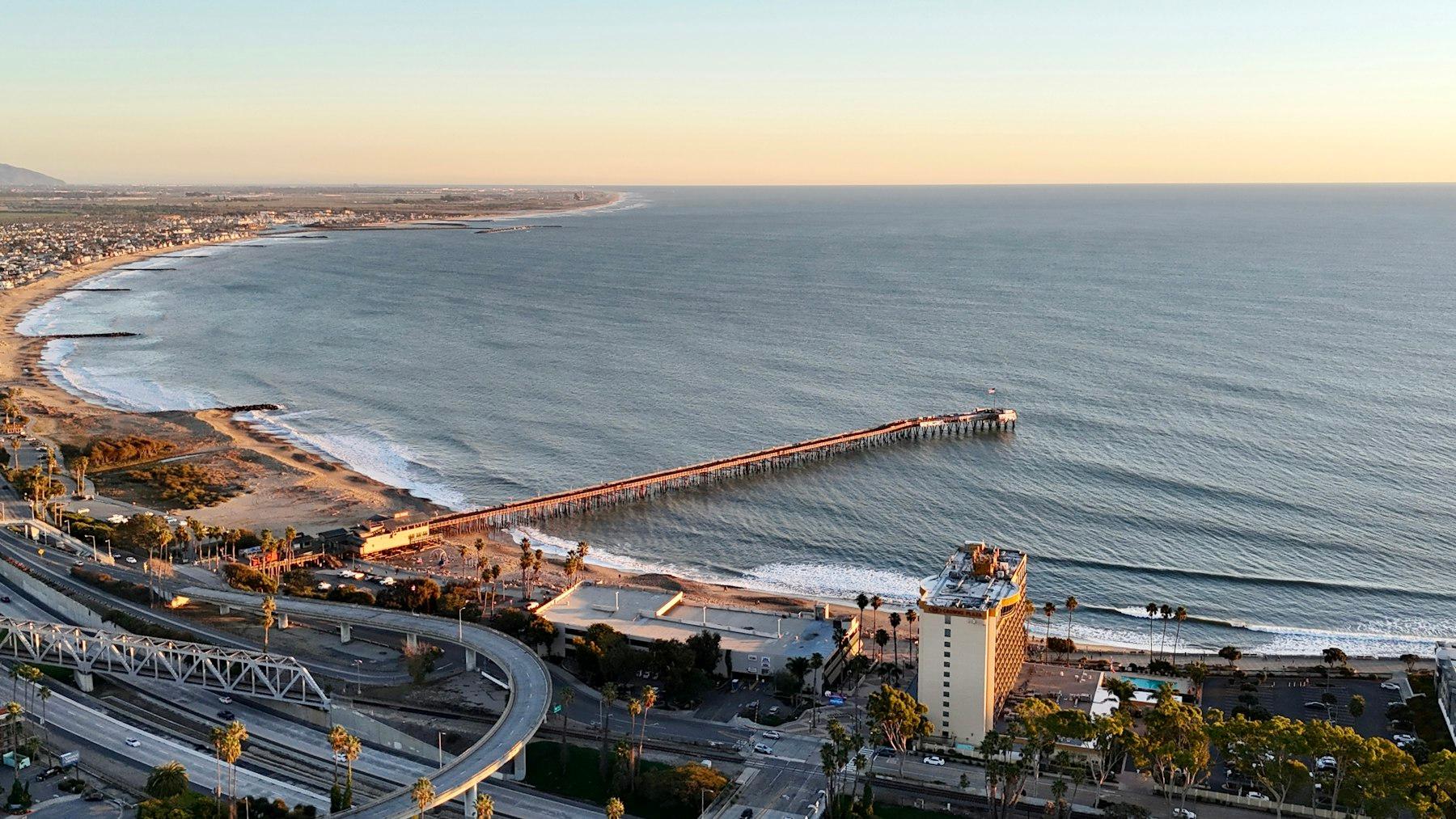 Home insuranceVenturaVentura CountySee the local page
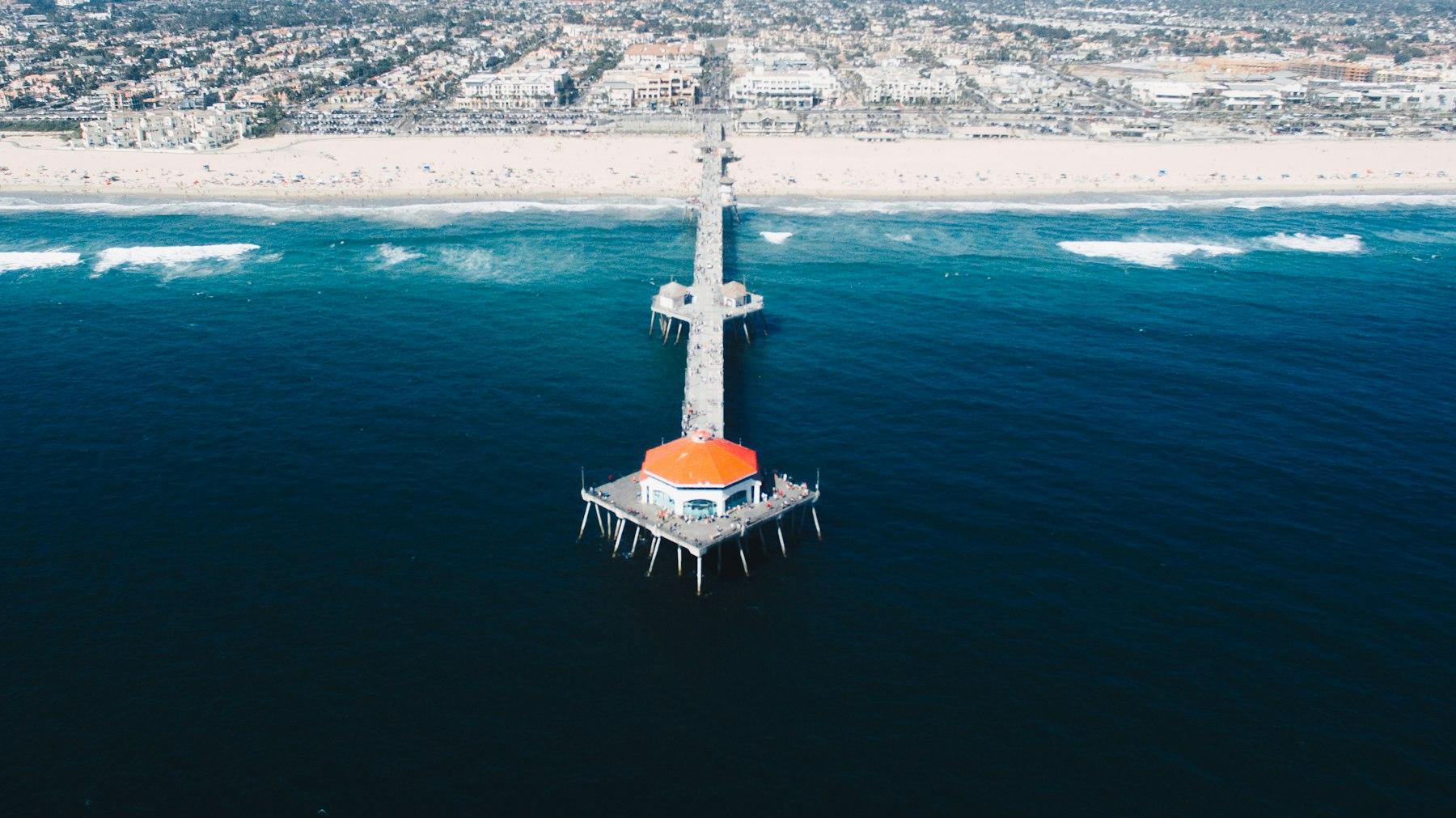 Home insuranceOrange CountyOrange CountySee the local page
Questions we hear a lot
Home insurance: common questions
Short answers to what people ask us most. Anything else, call and ask Brian or Dolores.
Still have a question?
Talk to a licensed agent at the Valencia office.
(818) 909-7486Mon to Fri, 9 AM to 4 PM
How much is homeowners insurance in California?
It depends on the house more than on any statewide average. The biggest factors are the cost to rebuild, the property's wildfire risk score, the roof's age and material, the construction type, your claims history, your deductible and the coverage options you choose. We quote carriers such as Mercury and Travelers with matching limits so you see real numbers for your address.
Which company has the best home insurance in California?
There isn't one answer for every house. A carrier that prices a newer tract home well may be stricter about a house that backs onto open brush. Compare the dwelling limit, extended replacement cost, code upgrade coverage, deductible and how the carrier handles claims, not just the premium. The CDI publishes complaint data on insurers, and we'll show you how carriers like Mercury and Travelers compare for your home.
Does homeowners insurance cover wildfire damage?
Yes. Fire, including wildfire, is a covered cause of loss on a standard California homeowners policy, and smoke damage is generally covered too. The harder questions are whether you can get and keep a policy in a high-risk area, and whether your limits, including extended replacement cost and code upgrade coverage, would cover a full rebuild. If no standard carrier will write the home, the FAIR Plan covers fire and smoke as a last resort.
Can you insure my home if another company non-renewed it?
Sometimes, yes. A non-renewal from one carrier doesn't mean every carrier will say no, because each scores risk its own way. Send us the notice and your declarations page and we'll quote it with the carriers that fit, such as Mercury and Travelers. Acceptance is up to each carrier's underwriting. If none will write it, we'll walk you through the FAIR Plan and DIC route and keep checking the standard market at each renewal.
Do I need home insurance if my house is paid off?
No California law requires it once the mortgage is paid off, so keeping it is your call. Without it, though, the cost of a fire, a burst pipe or an injury lawsuit would come out of your own pocket. If the premium is the problem, raising the deductible is a safer way to lower it than dropping the policy.
How can I lower my homeowners insurance premium in California?
Start with mitigation: under the Safer from Wildfires rules, work like a Class A roof, ember-resistant vents and a cleared 5-foot zone around the house can qualify for discounts. Then look at a higher deductible, a claims-free history and pairing the house with your cars for a multi-policy discount. Each carrier weighs these differently, so we price the options with more than one carrier and show what each change does.
Do I have to come to your Valencia office to buy a policy?
No. You can handle everything by phone, email and e-signature. If you'd rather sit down in person, our office is at 25060 Avenue Stanford, Suite 240, in Valencia, open Monday to Friday from 9 to 4. Send a quote request or call (818) 909-7486 during those hours, and Brian or Dolores usually calls back within the hour.
Keep reading
Related coverage

Earthquake insurance
Separate earthquake coverage for California homes, condos and renters, with help comparing CEA and private policy options.
Learn more
Home & auto bundle
Home and two-car auto policies priced together and separately, so you can see whether bundling with one carrier pays off.
Learn moreCalifornia FAIR Plan guide
The California FAIR Plan is where a house goes when regular insurers say no.
Learn more
Got a home insurance non-renewal?
A non-renewal letter means your insurer won't offer you another term when this policy ends.
Learn more
Wildfire risk and home insurance in Santa Clarita
Santa Clarita is ringed by brush-covered hills, and insurers price that risk into home policies here.
Learn more
Condo insurance
HO-6 condo insurance for California owners: walls-in coverage, loss assessment and liability, quoted with carriers such as Mercury and Travelers from Valencia.
Learn more
Mercury Insurance agent
Independent agency in Valencia that quotes Mercury Insurance car, home, condo and renters policies and compares them with other carriers.
Learn more
Free quote · No obligation
Get a free home insurance quote
Tell us what you want to insure and Brian will compare carriers, then we'll call you back. Prefer to talk it through? Call the office.
- Mon to Fri, 9 AM to 4 PM. During business hours we usually call back within the hour.
- CA License #0D44425 · 30 years of experience