


Condo insurance (HO-6) · California
Condo Insurance in California: Covering What Your HOA Policy Leaves to You
In a typical California condo complex, the HOA insures the building and common areas. Most of the rest is yours to cover: the floors, cabinets and upgrades inside your unit, your belongings, your liability and your share of a special assessment. We're a family-run independent agency in Valencia, and we size your HO-6 to your HOA's actual master policy.
- Licensed in CA · #0D44425
- Free quotes, no obligation
- Call-back usually within the hour
At a glance
- A condo policy is an HO-6. It covers your unit's interior, your belongings, loss of use and personal liability: whatever the HOA master policy leaves out.
- Master policies come in three broad types, bare walls, single entity and all-in, and the type sets how much walls-in coverage you need.
- California HOAs must send owners a yearly insurance summary with limits and deductibles in the annual budget report (Civil Code §5300).
- Loss assessment coverage can pay your share when the HOA bills owners after a covered loss. Many policies cap what they pay toward an assessment for the master policy deductible.
- Condo policies exclude earthquake. A CEA condo policy can pay up to $100,000 toward your share of an earthquake assessment.
Condo insurance
Coverage options, in plain English
What each part of a policy can pay for. The exact coverage depends on the policy and the carrier, and we go through it with you before you buy.
Not sure which parts you need?
Tell us what you're insuring and we'll explain the trade-offs before you sign.
Get my free quoteWalls-in dwelling
Repairs or rebuilds the interior you're responsible for, such as drywall, floors, cabinets and fixtures.
Improvements and betterments
Covers upgrades made after the unit was built, by you or a past owner.
Personal property
Covers furniture, clothes and electronics after a covered loss like fire, smoke or theft.
Loss assessment
Can pay your share when the HOA bills owners after a covered loss. Help with a master deductible assessment is often capped.
Loss of use
Pays added living costs while a covered loss keeps you out of your unit.
Liability and medical payments
Covers defense and damages if you're responsible for an injury or a neighbor's water damage, plus small guest medical bills.
On this page10
What does condo insurance cover in California?
Short answer
A condo policy (HO-6) covers the parts of the unit you're responsible for, your belongings, extra living costs after a covered loss and your personal liability. The HOA's master policy handles the structure and common areas.
- Walls-in dwelling: drywall, flooring, cabinets, fixtures and built-ins inside your unit, up to where the master policy stops.
- Personal property: furniture, clothes, electronics and anything else you'd pack into a moving truck.
- Loss of use: a hotel or short-term rental while a covered loss keeps you out, often capped at a share of your personal property limit.
- Personal liability: defense and damages if you're responsible for an injury, or for water or fire that spreads into a neighbor's unit.
- Medical payments to others: small, no-fault payments when a guest is hurt in your unit.
- Loss assessment: your share of a bill the HOA sends all owners after a covered loss to common property.
The California Department of Insurance (CDI) lists earthquake, flood, mold, earth movement and wear and tear among the perils residential policies usually exclude. Slow leaks, like a drip under the sink nobody noticed for months, are usually excluded too. Those gaps need a separate policy or better upkeep, not a higher limit.
Where does the HOA master policy stop and your policy start?
Short answer
It depends on the type of master policy your association carries: bare walls, single entity or all-in. That type sets how much walls-in coverage your HO-6 needs, so it's the first thing we ask about.
Common HOA master policy types
Bare walls
- What it usually covers
- The structure and common areas, stopping at the unfinished walls
- What your HO-6 picks up
- Drywall, floors, cabinets, fixtures, upgrades and belongings
Single entity
- What it usually covers
- The structure plus the unit's original fixtures and finishes
- What your HO-6 picks up
- Upgrades by you or a past owner, plus belongings
All-in
- What it usually covers
- The structure, original finishes and, on many policies, owner improvements
- What your HO-6 picks up
- Belongings, liability, loss of use and loss assessment
| Master policy type | What it usually covers | What your HO-6 picks up |
|---|---|---|
| Bare walls | The structure and common areas, stopping at the unfinished walls | Drywall, floors, cabinets, fixtures, upgrades and belongings |
| Single entity | The structure plus the unit's original fixtures and finishes | Upgrades by you or a past owner, plus belongings |
| All-in | The structure, original finishes and, on many policies, owner improvements | Belongings, liability, loss of use and loss assessment |
The labels aren't standardized and some policies blend them, so we read the wording, not the name. Your CC&Rs matter too. California's default rule (Civil Code §4775) has the HOA repair the common area and you repair your own unit, unless the CC&Rs say otherwise. Balconies and patios assigned to your unit are split: you maintain them, and the HOA repairs and replaces them.
Own a townhome? Check this first
Some townhomes are legally condos, and some are planned developments where you insure the whole structure. If the HOA doesn't insure your building, you likely need a homeowners policy instead, which our page on homeowners insurance in California covers.
Are upgrades to your unit covered?
Short answer
Only if someone insures them, and unless your HOA carries an all-in master policy, that someone is you. Insurers call them improvements and betterments, and your walls-in limit has to cover rebuilding them.
That means anything better than the builder's original: tile or wood over the original carpet, quartz counters, a remodeled shower, custom closets. It includes a previous owner's work, which surprises people who bought a unit that was already upgraded.
We set the walls-in limit from what it would cost to rebuild your interior at today's prices, not what anyone paid for the remodel, and then subtract what the master policy already covers.
How do you find out what your HOA insures?
Short answer
Read the insurance summary in your HOA's annual budget report. California law requires it every year, listing the association's property, general liability, earthquake, flood and fidelity policies with the insurer, limits and deductibles.
Under California Civil Code §5300 (opens in a new tab), the budget report goes out 30 to 90 days before the association's fiscal year ends. The summary's required notice warns that the HOA's policies may not cover your belongings or improvements, and that you may owe part of a deductible. You can also ask to review the full policies.
If a listed policy lapses, gets canceled or changes significantly, such as lower limits or a higher deductible, the HOA must notify owners (Civil Code §5810). Send us that notice, because a bigger master deductible can change how much loss assessment coverage makes sense.
Have your HOA's insurance summary?
Attach it to your quote request and we'll set your walls-in and loss assessment limits around it, or call (818) 909-7486.
What is loss assessment coverage, and how much do you need?
Short answer
Loss assessment coverage can pay your share when the HOA charges every owner for a covered loss to common property. Whether it also helps with an assessment for the master policy deductible, and how much, varies by policy. The right limit depends on that deductible and how your CC&Rs split costs.
A typical case: a fire damages a building's roof and hallways, the master policy pays minus its deductible, and the board spreads that deductible across owners as a special assessment. Condo policies often include a little loss assessment coverage, and you can usually buy more. Many policies cap the part that goes toward a deductible assessment at a lower amount, so we check that line before you rely on it.
Where loss assessment stops
It generally pays only when the cause is something your own policy covers. Assessments after an earthquake, or to fund a reserve shortfall or a roof the board put off, usually fall outside a standard HO-6.
Who pays when water leaks from one unit into another?
Short answer
It depends on where the leak started, what failed and what your CC&Rs say. Your HO-6 usually covers your own interior and belongings, and its liability coverage can respond if you're responsible for a neighbor's damage.
- Your unit: a sudden leak that soaks your ceiling, floors and belongings is usually covered by your HO-6, minus your deductible.
- Your neighbor's unit: if the water came from your unit and you're at fault, like an overflowing tub, your liability coverage can pay for their damage.
- Pipes in shared walls: often common area under the CC&Rs, which puts the repair on the master policy, subject to its deductible.
- Deductible chargebacks: some CC&Rs let the HOA charge its deductible to the owner whose unit the leak started in. Whether your HO-6 pays depends on the wording.
Small fixes, fewer claims
Braided steel washer hoses, a drip pan under the water heater and a leak sensor under the kitchen sink catch the slow leaks insurance usually won't pay for.
Do condo owners in California need earthquake coverage?
Short answer
Many should consider it: condo policies exclude earthquake, and the HOA's master policy may not cover earthquake damage either. A California Earthquake Authority (CEA) condo policy can cover your interior, belongings and loss of use, plus up to $100,000 toward an earthquake assessment.
If a quake damages the building and the HOA has no earthquake policy, or one with a large deductible, the board can assess owners for repairs. The CEA condo policy (opens in a new tab) lets you pick a percentage deductible, and its loss of use coverage has no deductible at all.
The CDI notes that you buy a CEA policy from the same company that writes your condo policy, so we look at both together. Our page on earthquake insurance in California explains how the deductibles work.
How we quote condo insurance
- 1
Send the HOA paperwork
The insurance summary or master policy declarations page, your CC&Rs, and a list of upgrades with rough dates.
- 2
We size the walls-in limit
Rebuild cost for your interior and upgrades, minus what the master policy covers.
- 3
We compare carriers
We can quote carriers such as Mercury Insurance and Travelers, subject to underwriting, and show you the options side by side.
- 4
You sign from home
Everything is signed electronically, and we can send proof of coverage to your lender or HOA.
Nobody has to visit our Valencia office to get a policy. The process is the same for a townhome in Saugus or Canyon Country as for a condo in Irvine or Mission Viejo. See how we work with condo owners in Santa Clarita and Orange County clients. Own a car too? Our home and auto bundle page shows how we compare one carrier against two.
What affects the price of condo insurance?
Short answer
Your walls-in limit, deductible, the building's age, construction and wildfire exposure, your claims history and any extras all move the price. We don't publish averages, because two condos in the same city can price very differently, so we quote your unit instead.
- Master policy type: bare walls means a bigger walls-in limit than all-in.
- Location: brush exposure matters, and our guide to wildfire risk in Santa Clarita explains how carriers view it.
- Extras: higher loss assessment limits, scheduled jewelry and water backup coverage each add cost.
Sources we used for this page (6)
- 1California Department of Insurance: Residential Insurance guide (homeowners and renters) (opens in a new tab)insurance.ca.gov
- 2California Department of Insurance: Earthquake insurance guide (opens in a new tab)insurance.ca.gov
- 3California Earthquake Authority: Condo unit policy coverages and deductibles (opens in a new tab)earthquakeauthority.com
- 4California Civil Code §5300: Annual budget report and insurance summary (opens in a new tab)leginfo.legislature.ca.gov
- 5California Civil Code §4775: Repair and maintenance responsibilities (opens in a new tab)leginfo.legislature.ca.gov
- 6California Civil Code §5810: Notice of insurance lapse or change (opens in a new tab)leginfo.legislature.ca.gov
Condo insurance
Carriers we can quote
We work with 30 insurance companies, so we can run your details with carriers like Mercury Insurance and Travelers, then show you the options side by side. Each carrier makes its own underwriting decision, so acceptance and final rates are up to them. We'll tell you which ones fit before we quote.


Not every carrier writes every property, vehicle or business. Final rates and eligibility are set by the insurance company.
Questions we hear a lot
Condo insurance: common questions
Short answers to what people ask us most. Anything else, call and ask Brian or Dolores.
Still have a question?
Talk to a licensed agent at the Valencia office.
(818) 909-7486Mon to Fri, 9 AM to 4 PM
Do I need condo insurance if my HOA has a master policy?
Yes, in almost every case. The master policy covers the building and common areas for the association, not your belongings, your liability inside the unit or your hotel bill after a fire, and depending on its type, maybe not your floors or cabinets either. An HO-6 covers those pieces, and loss assessment coverage handles your share of covered HOA assessments. Many lenders require an HO-6 before funding a condo loan.
What is an HO-6 policy?
HO-6 is the industry name for a condominium unit-owners policy: the condo version of homeowners insurance, built around the fact that you own the space inside your unit while the association insures the structure. A typical HO-6 includes walls-in coverage, personal property, loss of use, liability, medical payments to others and loss assessment. Carriers use their own forms, so limits and exclusions vary by company.
How much walls-in coverage do I need for my condo?
Enough to rebuild everything inside your unit that the master policy doesn't cover, at current construction prices. Under a bare walls policy, that's drywall, floors, cabinets, fixtures and upgrades. Under single entity, it's mostly upgrades. Under all-in, it may be very little. Don't use your purchase price or market value, since those include land and a share of the building that aren't yours to rebuild.
Does condo insurance cover water damage from the unit above me?
Usually, for the damage inside your unit. If water from upstairs suddenly soaks your ceiling and floors, your HO-6 can pay to repair your interior and replace damaged belongings, minus your deductible, and your carrier may then pursue the upstairs owner if they were at fault. If an HOA-maintained pipe failed, the master policy may handle part of it. Slow leaks that ran for weeks are commonly excluded.
Does my HOA have earthquake insurance?
Check the insurance summary in your annual budget report, where California associations must list any earthquake policy with its limit and deductible (Civil Code §5300). Some associations carry no earthquake coverage, and HOA earthquake policies tend to have high percentage deductibles. Either way, a major quake can lead to a special assessment, which is why we suggest looking at earthquake coverage that includes loss assessment.
I rent out my condo. Is my HO-6 still enough?
Probably not as written, because a standard HO-6 assumes you live there. With a tenant in the unit, you typically need a condo policy endorsed for rental use or a landlord policy for a rented condo, which can include lost rent after a covered loss. Your tenant should carry renters insurance for their own things. Our landlord insurance page compares both routes.
Can you insure my condo if I live in Orange County or elsewhere in California?
Yes. Iriana Insurance Services is licensed in California and can quote condo coverage for units anywhere in the state, subject to each carrier's underwriting. You won't need to come to our Valencia office: we cover the questions by phone and email, and you sign electronically. An owner in Irvine sends the same HOA paperwork as an owner in Valencia, and we review it the same way.
Keep reading
Related coverage
Home insurance
Homeowners insurance for California houses, quoted with carriers like Mercury and Travelers by a family-run independent agency in Valencia.
Learn more
Earthquake insurance
Separate earthquake coverage for California homes, condos and renters, with help comparing CEA and private policy options.
Learn more
Landlord insurance
Landlord and dwelling fire insurance for California rental homes, condos and small multi-unit buildings, quoted with carriers such as Steadily, Obie and Mercury.
Learn more
Renters insurance
Renters insurance for California apartments, houses and rooms: belongings, liability and loss of use, quoted with carriers such as Mercury and Travelers.
Learn more
Home & auto bundle
Home and two-car auto policies priced together and separately, so you can see whether bundling with one carrier pays off.
Learn more
Santa Clarita
We're Brian Iriana and Dolores Alvarez, a two-person independent agency with 30 years of experience and an office on Avenue Stanford in Valencia.
Learn more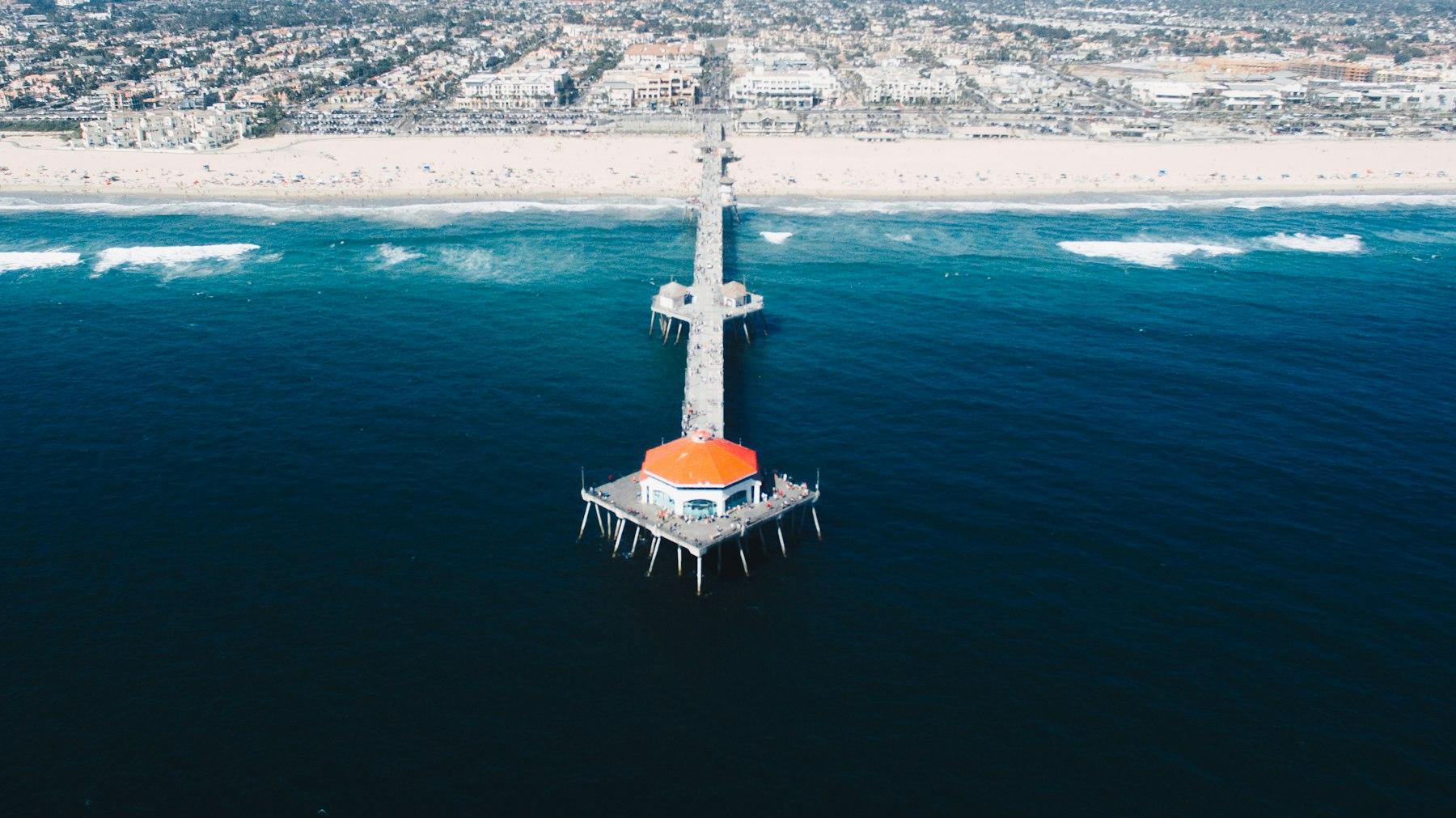
Orange County
Orange County has 34 cities, and the insurance questions change as you cross it: HOA condos in Irvine, canyon homes along the 241, beach-area houses near FEMA flood…
Learn more
Free quote · No obligation
Get a free condo insurance quote
Tell us what you want to insure and Brian will compare carriers, then we'll call you back. Prefer to talk it through? Call the office.
- Mon to Fri, 9 AM to 4 PM. During business hours we usually call back within the hour.
- CA License #0D44425 · 30 years of experience