

Auto insurance · California
Car Insurance in California, Compared for You
California decides a lot about your car insurance before you ever see a quote: the minimum limits, the factors that set your rate, and who counts as a good driver. We're a two-person independent agency in Valencia with 30 years of experience. Brian, our licensed agent, puts quotes from carriers like Mercury, Travelers and Bristol West side by side and explains the trade-offs.
- Licensed in CA · #0D44425
- Free quotes, no obligation
- Call-back usually within the hour
At a glance
- California's minimum liability limits are 30/60/15 ($30,000 per person, $60,000 per accident, $15,000 property damage) for policies issued or renewed on or after January 1, 2025, rising to 50/100/25 from January 1, 2035.
- Under Proposition 103, your driving record, annual miles and years of driving experience carry the most weight in your rate, in that order.
- A driver who qualifies as a good driver must be charged at least 20% less than that same insurer would otherwise charge.
- California insurers have not been allowed to use gender to set car insurance rates since January 1, 2019.
- We quote carriers such as Mercury, Travelers and Bristol West in one conversation, and you can sign everything by e-signature.
Car insurance
Coverage options, in plain English
What each part of a policy can pay for. The exact coverage depends on the policy and the carrier, and we go through it with you before you buy.
Not sure which parts you need?
Tell us what you're insuring and we'll explain the trade-offs before you sign.
Get my free quoteLiability
Pays for injuries and property damage you cause to other people, up to your limits. It never pays for your own car or your own injuries.
Uninsured and underinsured motorist
Pays for injuries to you and your passengers when the driver at fault has no insurance or not enough of it.
Collision
Repairs or replaces your car after it hits another vehicle or an object, minus your deductible. Lenders and leasing companies require it.
Comprehensive
Pays for damage that isn't a collision: theft, fire, vandalism, windstorm, flood or a falling tree limb. It doesn't pay for wear and tear or mechanical breakdown.
Medical payments
Pays medical bills for you and your passengers after an accident, whoever caused it. Limits start at $1,000 per person.
Rental reimbursement
Helps pay for a rental car while yours is in the shop after a covered accident.
Towing and roadside
Pays for a tow or a road service call, such as a dead battery or a flat tire, up to your limit.
Gap coverage
If a financed or leased car is totaled, pays the difference between its market value and what you still owe on the loan or lease.
On this page9
What car insurance does California require?
Short answer
Every car driven or registered in California needs liability insurance of at least 30/60/15, and proof of that insurance has to be in the car. Your insurer also tells the DMV when you buy a policy and when you stop paying for one.
California minimum liability limits (Vehicle Code 16056)
Injury or death, one person
- Before 2025
- $15,000
- Issued or renewed from Jan. 1, 2025
- $30,000
- Issued or renewed from Jan. 1, 2035
- $50,000
Injury or death, all people in one accident
- Before 2025
- $30,000
- Issued or renewed from Jan. 1, 2025
- $60,000
- Issued or renewed from Jan. 1, 2035
- $100,000
Damage to property
- Before 2025
- $5,000
- Issued or renewed from Jan. 1, 2025
- $15,000
- Issued or renewed from Jan. 1, 2035
- $25,000
| Coverage | Before 2025 | Issued or renewed from Jan. 1, 2025 | Issued or renewed from Jan. 1, 2035 |
|---|---|---|---|
| Injury or death, one person | $15,000 | $30,000 | $50,000 |
| Injury or death, all people in one accident | $30,000 | $60,000 | $100,000 |
| Damage to property | $5,000 | $15,000 | $25,000 |
Vehicle Code 16020 says drivers and owners must carry evidence of insurance in the vehicle "at all times." Expect to show it if an officer asks, when you renew your registration and after a collision.
Driving uninsured costs more than a ticket. If you're in a collision without insurance, the DMV can suspend your license for up to four years, no matter who caused the crash. Our guide to California's minimum car insurance requirements goes deeper, and the DMV's insurance requirements page (opens in a new tab) has the official wording.
Is the minimum enough?
The minimum is a legal floor, not a recommendation. $15,000 of property damage can run out quickly if you hit a newer SUV, and costs above your limits can come back to you. Ask us to price higher limits next to the minimum.
Which coverages matter beyond the legal minimum?
Short answer
Liability only pays for harm you cause to others. Protection for your own car and your own family comes from the optional parts: uninsured motorist, collision, comprehensive and medical payments.
Uninsured and underinsured motorist
California insurers have to offer uninsured motorist coverage, and turning it down takes a signed waiver. We usually suggest keeping it: it pays your medical bills when the person who hit you has no insurance or only the minimum.
Uninsured motorist property damage is a smaller piece. It pays up to $3,500 for damage to your car from an identified uninsured driver at fault, and it's meant for cars without collision coverage. A collision deductible waiver pays your collision deductible in that same situation.
Collision, comprehensive and gap
Collision and comprehensive pay based on your car's market value, minus your deductible, and a higher deductible usually lowers the premium. Market value isn't your loan balance, though. If you owe more than the car is worth, ask us about gap coverage before you sign at the dealership; dealers and lenders sell it, and some insurers offer a loan or lease version.
What affects the price of car insurance in California?
Short answer
By law, your driving record matters most, then the miles you drive each year, then how many years you've been driving. Insurers can add other approved factors, such as the car you drive and where it's garaged, but those must carry less weight.
That order comes from Proposition 103, now Insurance Code 1861.02, and it's why a clean record moves your price more than anything else you control. Optional factors come from a list set by the Insurance Commissioner, including:
- The car itself: type, performance, engine size, safety and anti-theft features, and how easily it's damaged or repaired.
- How it's used: commuting, pleasure or business use, and how much of the driving each person does.
- Where it's garaged: insurers group ZIP codes into bands based on how often claims happen there and what they cost.
- Your household: more than one car, other policies with the same company, good grades and completed driver training.
Gender isn't on that list; a regulation in effect since January 1, 2019 bars it. An at-fault accident still counts: if you're found 51% or more at fault, your insurer can add a surcharge at renewal.
For realistic price ranges and what pushes them up or down, read how much car insurance costs in California.
How does the California Good Driver Discount work?
Short answer
If you qualify as a good driver, your insurer must charge you at least 20% less than it would otherwise charge you for the same coverage. It's required by Insurance Code 1861.02, not a promotion.
Under Insurance Code 1861.025, you generally qualify when all four of these are true:
- You've been licensed to drive for the previous three years.
- You have no more than one violation point on your record in those three years.
- You weren't principally at fault in an accident that injured or killed someone in those three years.
- You haven't been convicted of DUI in the past 10 years.
Two details catch people off guard. Not having had insurance before can't, by itself, disqualify you. And because the discount is measured against each company's own rates, the same good driver can see different prices at different carriers.
Want your quotes side by side?
Send us your cars and drivers online, or call and Dolores will take down the details by phone.
How do we compare Mercury, Travelers and Bristol West?
Short answer
We run your drivers and cars with each carrier that fits your record, at the same limits, and show you the prices next to the coverage differences.
Some of the carriers we can quote for car insurance
Mercury Insurance
- Often a fit for
- Good drivers, households with two or more cars, car and home together
- Worth knowing
- A California company that sold its first policy in 1962. See our Mercury Insurance agent page.
Travelers
- Often a fit for
- Good drivers and homeowners who want a second standard-market quote
- Worth knowing
- A national carrier that sells car insurance through independent agents like us.
Bristol West
- Often a fit for
- Drivers with tickets, accidents or a DUI on their record
- Worth knowing
- Can add an SR-22 filing to the policy. See SR-22 insurance in California.
| Carrier | Often a fit for | Worth knowing |
|---|---|---|
| Mercury Insurance | Good drivers, households with two or more cars, car and home together | A California company that sold its first policy in 1962. See our Mercury Insurance agent page. |
| Travelers | Good drivers and homeowners who want a second standard-market quote | A national carrier that sells car insurance through independent agents like us. |
| Bristol West | Drivers with tickets, accidents or a DUI on their record | Can add an SR-22 filing to the policy. See SR-22 insurance in California. |
Every carrier makes its own underwriting decision, so we can't promise one will accept a particular driver. We can tell you up front which ones are worth quoting. Our guide to independent vs. captive insurance agents explains why an agent tied to one company can't do this.
Do multi-car policies and home bundles lower the price?
Short answer
They can. Multi-car households and multiple policies with the same company are both approved rating factors in California, so carriers can price them differently. We quote the bundle and the separate policies so you can see the actual difference.
Take a household with two cars and a house. We quote the cars alone, the cars with the home, and the same package at a second carrier. Our page on bundling home and auto insurance covers what to check beyond the total.
A bundle isn't automatically the lower price. Sometimes the home does better with one carrier and the cars with another, and we'll show you when that happens. The home side is explained on our home insurance in California page.
Do you write car insurance outside Santa Clarita?
Short answer
Yes. We're licensed in California and write car insurance for drivers around the state, by phone, email and e-signature, from our one office in Valencia.
We're based in the Santa Clarita Valley and also work with drivers here:
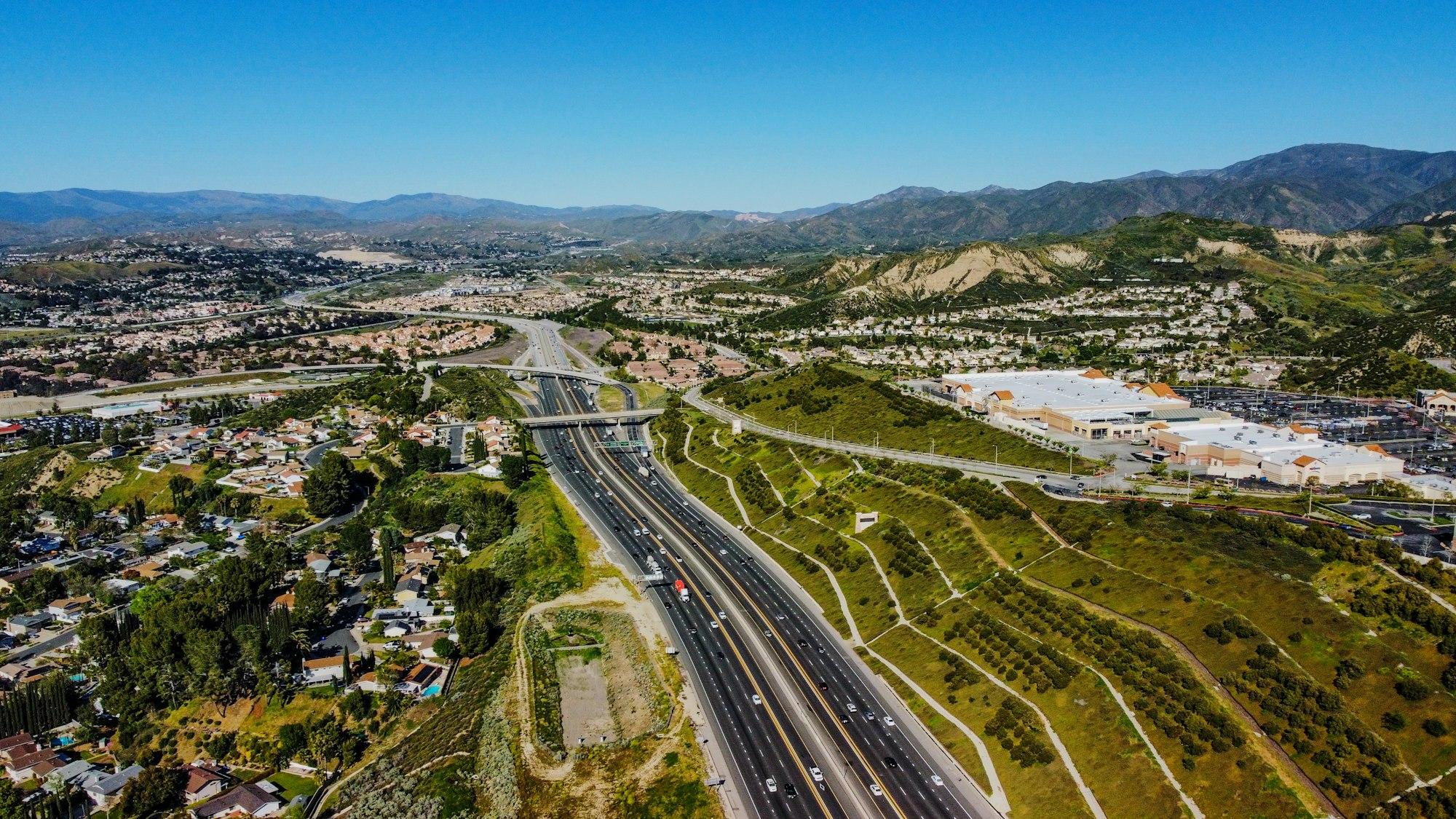
- Car insurance in Santa Clarita: Valencia, Saugus, Newhall, Canyon Country and Stevenson Ranch.
- Car insurance in Palmdale and Lancaster: the Antelope Valley, up the 14.
- Car insurance in Bakersfield: over the Grapevine on I-5, then Highway 99.
- Car insurance in Ventura: along the 101 on the coast.
- Car insurance in Orange County: from Anaheim to Irvine.
- Car insurance in Modesto and car insurance in Turlock: Stanislaus County on Highway 99.
We don't have an office in those cities, and you won't need one: quotes, signatures and ID cards all happen by phone, email and e-sign.
How we quote your car insurance
- 1
Tell us who drives what
Each driver's name, birth date and license number, plus each car's VIN or year, make and model. Your current declarations page helps.
- 2
We shop the carriers that fit
Brian runs the quotes at the same limits and deductibles, so the prices compare fairly.
- 3
We explain the differences
We call to walk through more than price: deductibles, uninsured motorist limits, rental and towing.
- 4
Sign and get your ID cards
You e-sign from your phone and we email your proof of insurance. Cancel the old policy only after the new one has started.
“Small family owned agency, I've always had a smooth process.”
Call (818) 909-7486, Monday to Friday between 9 and 4, to reach Brian or Dolores.
Sources we used for this page (7)
- 1California DMV: Insurance requirements (opens in a new tab)dmv.ca.gov
- 2California Department of Insurance: Automobile Insurance guide (Form 901, Feb. 2025) (opens in a new tab)insurance.ca.gov
- 3California Insurance Code 1861.02 (rating factors, Good Driver Discount) (opens in a new tab)california.public.law
- 4California Insurance Code 1861.025 (good driver definition) (opens in a new tab)california.public.law
- 5California Vehicle Code 16056 (minimum liability limits) (opens in a new tab)california.public.law
- 6Cal. Code of Regulations, Title 10, 2632.5 (rating factors) (opens in a new tab)law.cornell.edu
- 7California Department of Insurance: Gender non-discrimination in auto rating (Jan. 2019) (opens in a new tab)insurance.ca.gov
Car insurance
Carriers we can quote
We work with 30 insurance companies, so we can run your details with carriers like Mercury Insurance, Travelers and Bristol West, then show you the options side by side. Each carrier makes its own underwriting decision, so acceptance and final rates are up to them. We'll tell you which ones fit before we quote.


Not every carrier writes every property, vehicle or business. Final rates and eligibility are set by the insurance company.
In your city
Car insurance by city
Local details for the areas we serve most. Every policy is handled by the same two people at our Valencia office.
 Car insuranceSanta ClaritaLos Angeles CountySee the local page
 Car insuranceBakersfieldKern CountySee the local page
 Car insuranceModestoStanislaus CountySee the local page
 Car insuranceTurlockStanislaus CountySee the local page
 Car insurancePalmdaleLos Angeles CountySee the local page
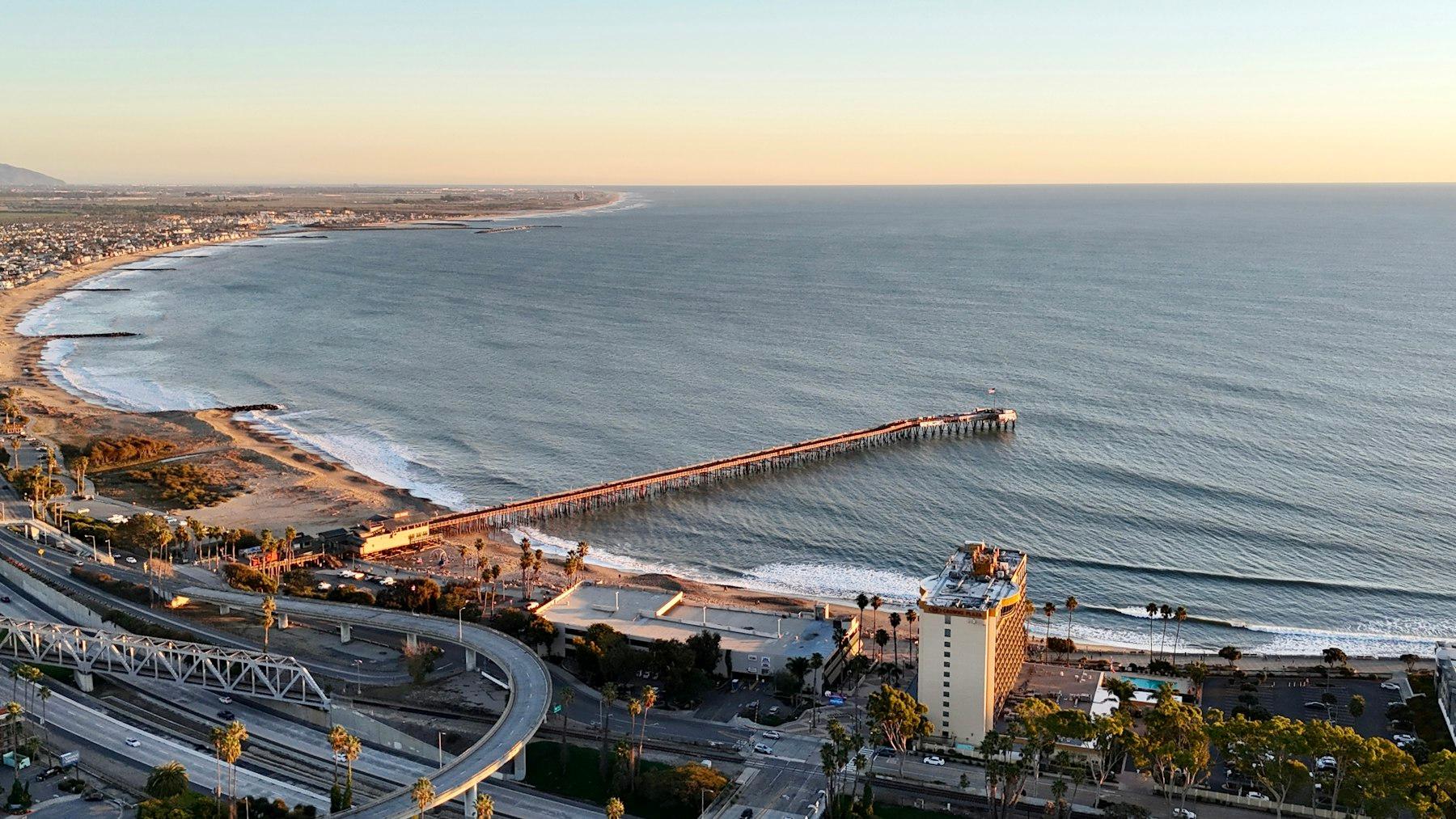 Car insuranceVenturaVentura CountySee the local page
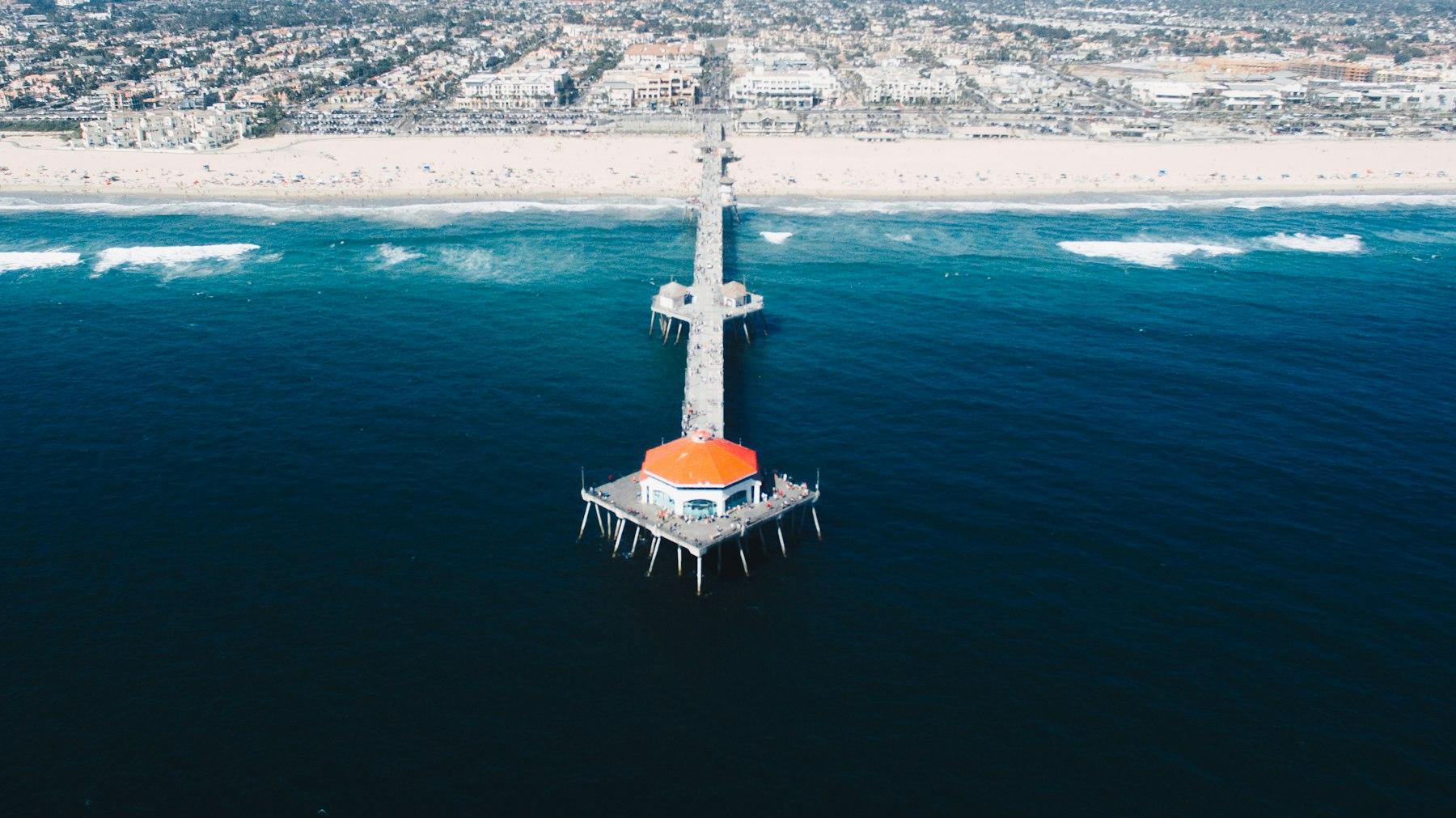 Car insuranceOrange CountyOrange CountySee the local page
Questions we hear a lot
Car insurance: common questions
Short answers to what people ask us most. Anything else, call and ask Brian or Dolores.
Still have a question?
Talk to a licensed agent at the Valencia office.
(818) 909-7486Mon to Fri, 9 AM to 4 PM
Is California a no-fault state for car insurance?
No. California uses fault: the driver who causes a crash is responsible for the damage, usually through their liability insurance. Fault can also be shared, and police, insurers or courts may assign each driver a percentage. If you're 51% or more at fault, your insurer can surcharge your policy at renewal. After a crash, our guide on what to do after a car accident in California walks through the reports and the claim.
Do I need full coverage on a car that is paid off?
No law requires collision or comprehensive on a paid-off car. California only requires liability; lenders require the rest while you owe money. Whether to keep them depends on the car's value and whether you could replace it yourself, and the California Department of Insurance suggests considering dropping them on an older car. We'll price it both ways so you can compare.
How do I find cheap car insurance in California without losing important coverage?
Start with what you control. Keep your record clean to hold onto the Good Driver Discount, report your real annual mileage, and raise collision and comprehensive deductibles to an amount you can afford. Ask about multi-car and multi-policy pricing, and compare more than one carrier, because rates vary by company. Think twice before cutting liability to the minimum; it's the part that protects your savings.
Will a speeding ticket raise my car insurance in California?
It can. Your driving record is the first factor in every California rate, so a moving violation can raise your premium at renewal. One point within three years still leaves you eligible for the Good Driver Discount; a second point usually costs you the discount. Under the good driver rules, an at-fault accident that only damaged property counts as an extra point, and one that injured someone disqualifies you.
What happens if my car insurance lapses in California?
Your insurer reports the end of the policy to the DMV, and without proof of new insurance the DMV can suspend the car's registration. Driving uninsured can mean a ticket, and an uninsured accident can mean a license suspension of up to four years. If a car will sit unused off public roads, file the DMV's Affidavit of Non-Use before canceling its insurance.
What is the California Low Cost Auto Insurance Program?
It's a state program that helps income-eligible good drivers buy liability insurance. Its limits ($10,000 per person, $20,000 per accident, $3,000 property damage) are lower than the standard minimum but still satisfy California law. Income must be at or below 250% of the federal poverty level and the car worth $25,000 or less, among other rules. Details: mylowcostauto.com or 1-866-602-8861.
Does my personal car policy cover rideshare or delivery driving?
Don't assume it does. Driving for a rideshare or delivery app is business use, and a personal policy may not cover it. California's Department of Insurance notes that coverage for business use, including driving for a transportation network company, can be bought separately. Tell us if you drive for an app, even part time, so we can check how each carrier handles it.
Keep reading
Related coverage

Home & auto bundle
Home and two-car auto policies priced together and separately, so you can see whether bundling with one carrier pays off.
Learn more
SR-22 insurance
California SR-22 insurance: we shop carriers for your record, get the SR-22 filed with the DMV and help keep it active.
Learn more
Mercury Insurance agent
Independent agency in Valencia that quotes Mercury Insurance car, home, condo and renters policies and compares them with other carriers.
Learn more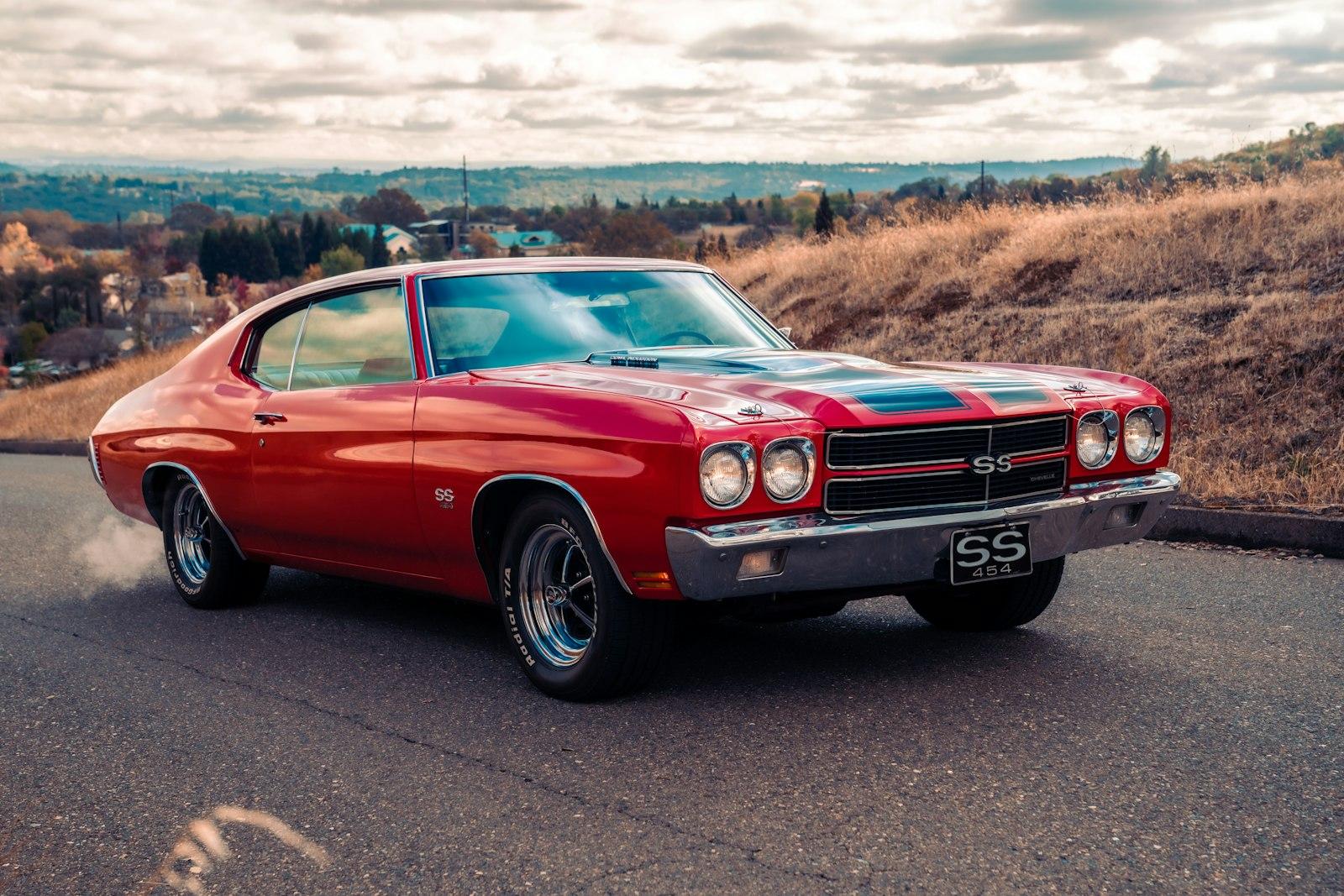
Classic car insurance
Collector and classic car insurance in California, with agreed value, usage and storage rules explained and help comparing options.
Learn more
How much is car insurance in California?
The honest answer is "it depends," but it depends on things you can name.
Learn moreCalifornia's minimum car insurance (30/60/15)
Starting January 1, 2025, California doubled the minimum injury limits on car insurance and tripled the minimum for property damage.
Learn more
Free quote · No obligation
Get a free car insurance quote
Tell us what you want to insure and Brian will compare carriers, then we'll call you back. Prefer to talk it through? Call the office.
- Mon to Fri, 9 AM to 4 PM. During business hours we usually call back within the hour.
- CA License #0D44425 · 30 years of experience