

Business insurance · Contractors · California
Contractor Insurance in California: Liability, Comp, Trucks and Tools
A California contractor's license comes with insurance strings attached: a $25,000 bond, a workers' comp certificate or exemption on file with the Contractors State License Board (CSLB), and, for an LLC, at least $1 million of liability coverage. General contractors (GCs) and cities then ask for certificates of their own. From our Valencia office we put contractor coverage together and keep that paperwork moving.
- Licensed in CA · #0D44425
- Free quotes, no obligation
- Call-back usually within the hour



At a glance
- The contractor's bond and the bond of qualifying individual both rose to $25,000 on January 1, 2023, under SB 607.
- LLC licenses need liability insurance of at least $1 million for up to five people of record, plus $100,000 per added person up to $5 million, and a separate $100,000 worker bond.
- C-8, C-20, C-22, C-39 and D-49 licensees must carry workers' comp even without employees; for everyone else, current law requires it starting January 1, 2028.
- CSLB doesn't require general liability for most licenses, but it strongly recommends it, and home improvement contracts must say whether you carry it.
- Carriers we quote include NEXT, which writes policies for many contractor trades, and Travelers.
Contractor insurance
Coverage options, in plain English
What each part of a policy can pay for. The exact coverage depends on the policy and the carrier, and we go through it with you before you buy.

Not sure which parts you need?
Tell us what you're insuring and we'll explain the trade-offs before you sign.
Get my free quoteGeneral liability
Injuries to other people and damage to their property from your work, including after the job is done.
Workers' compensation
Medical care and lost wages for employees hurt on the job, plus the certificate CSLB needs on file.
Commercial auto
Work trucks, vans and trailers, plus hired and non-owned auto when crews drive their own vehicles.
Tools and equipment
Inland marine coverage for your gear in the truck, in storage or on the job site.
Business owner's policy
General liability packaged with property coverage for a shop, office or yard.
Additional insured endorsements
The wording GCs and cities ask for, added when the carrier allows it.
On this page8
What insurance and bonds does CSLB require?
Short answer
Every active license needs a $25,000 contractor's bond and a workers' comp certificate or exemption on file. LLC licenses add liability insurance of $1 million or more and a $100,000 worker bond.
CSLB requirements at a glance
Contractor's bond
- Who it applies to
- Every active license
- Amount or rule
- $25,000
Bond of qualifying individual
- Who it applies to
- Some licenses qualified through a managing employee or officer
- Amount or rule
- $25,000
Workers' comp
- Who it applies to
- Licensees with employees, plus C-8, C-20, C-22, C-39 and D-49 licensees
- Amount or rule
- Certificate on file; others may file an exemption until January 1, 2028
Liability insurance
- Who it applies to
- LLC licenses
- Amount or rule
- $1 million for up to five people of record, plus $100,000 per added person, capped at $5 million
Employee/worker bond
- Who it applies to
- LLC licenses
- Amount or rule
- $100,000, on top of the contractor's bond
General liability
- Who it applies to
- Everyone else
- Amount or rule
- Not required, but CSLB strongly recommends it
| Requirement | Who it applies to | Amount or rule |
|---|---|---|
| Contractor's bond | Every active license | $25,000 |
| Bond of qualifying individual | Some licenses qualified through a managing employee or officer | $25,000 |
| Workers' comp | Licensees with employees, plus C-8, C-20, C-22, C-39 and D-49 licensees | Certificate on file; others may file an exemption until January 1, 2028 |
| Liability insurance | LLC licenses | $1 million for up to five people of record, plus $100,000 per added person, capped at $5 million |
| Employee/worker bond | LLC licenses | $100,000, on top of the contractor's bond |
| General liability | Everyone else | Not required, but CSLB strongly recommends it |
Current amounts are on the CSLB bond requirements page (opens in a new tab). For an LLC, CSLB says the liability policy must come from an insurer licensed in California or an eligible surplus line insurer.
Do California contractors need workers' comp with no employees?
Short answer
Until January 1, 2028, it depends on your classification. Concrete (C-8), HVAC (C-20), asbestos abatement (C-22), roofing (C-39) and tree service (D-49) licensees must carry it regardless, while other licensees with truly no employees can still file a certificate of exemption.
- The deadline moved once. SB 1455 shifted the all-licensee requirement from January 1, 2026, to January 1, 2028. CSLB's March 2026 report asked the Legislature for a narrow exemption for some sole owners, so check cslb.ca.gov before you renew.
- Violations cost more now. SB 291, passed in 2025, significantly raised CSLB's penalties for workers' comp violations, such as claiming the exemption while you have employees.
- Lapses suspend licenses. If a required policy lapses, Business and Professions Code section 7125.2 suspends the license automatically.
- Unlicensed subs become your problem. Under Labor Code section 2750.5, someone doing work that needs a license without one is treated as an employee, and the hiring contractor can end up responsible for that sub's crew as well.
Your insurer or broker can file the certificate with CSLB online, and it then shows on your public license record with the carrier, policy number and dates. See workers' comp insurance in California for how payroll and class codes set the premium.
What does general liability cover for a contractor?
Short answer
General liability can pay for injuries to other people and damage to their property caused by your work, including damage that shows up after the job is finished. CSLB's own notice adds that it is not intended to cover the work the contractor performs.
Say a supply line you installed in a Stevenson Ranch kitchen lets go three months later and soaks the cabinets and floors. The homeowner's water damage is the kind of loss completed operations coverage is for. Redoing your own faulty connection usually isn't.
California also makes you disclose it. Home improvement contracts must include a notice saying whether you carry commercial general liability insurance (Business and Professions Code section 7159), and section 7164 requires a written statement when you build a single-family home for an owner who plans to live in it. If you're insured, you list the insurer's name and phone number. Our general liability insurance page covers limits and policy types, and a business owner's policy can pair it with coverage for a shop or yard.

Start with your license number
We'll look up your CSLB record and quote liability, comp, trucks and tools together. Reach out on a weekday between 9 and 4, and Brian or Dolores will usually get back to you within the hour.
What do general contractors and cities ask for on a certificate of insurance?
Short answer
Most want a certificate showing your general liability, auto and workers' comp, and many also want to be added to your policy as an additional insured. The certificate only describes your coverage; the endorsement is what actually extends it to them.
- Additional insured: an endorsement that extends your liability coverage to the GC or owner for claims arising from your work.
- Primary and noncontributory: wording that makes your policy respond before theirs.
- Waiver of subrogation: your insurer gives up the right to recover from them after paying a claim.
- Limits: per-occurrence and aggregate amounts written into the subcontract, sometimes higher than you carry today.
Public agencies ask too. The City of Santa Clarita's published encroachment permit requirements, which apply to work in the public right-of-way such as a driveway approach or a trench in the street, call for a copy of your contractor's license and a certificate of insurance with an endorsement naming the City as additional insured. Send us the GC's insurance exhibit or the permit checklist before you bid, and we'll show you what needs an endorsement.
How do you insure tools and equipment?
Short answer
Tools and equipment are usually insured on an inland marine form, often called a tools floater or contractor's equipment policy, because general liability and auto policies don't cover your own gear. The coverage follows the equipment to the truck, the trailer and the job site.
The California Department of Insurance describes inland marine as property insurance for business property on the move and lists contractor's equipment floaters among the common types. NEXT sells tools and equipment coverage as an add-on to its general liability policy.
- List the big pieces. Compactors, generators and trailers are usually scheduled by serial number and value.
- Ask about overnight theft. Some policies set conditions for tools stolen from a vehicle, such as a locked box.
- Know the settlement. Replacement cost buys new; actual cash value subtracts depreciation.
- Rented equipment. A rental contract for a lift or excavator may make you responsible for it.
Do contractors need commercial auto for work trucks?
Short answer
Usually. A truck titled to the business, driven by employees or loaded with tools and materials every day is business use, and personal auto policies aren't built for it. Trucks with a gross vehicle weight rating over 10,000 pounds can also bring California Motor Carrier Permit rules.
The California Highway Patrol's permit guidance uses a construction company's pickup and trailer as one of its own examples, so this isn't only a big-rig issue. Employees who run to the supply house in their own pickups are a separate exposure, covered by hired and non-owned auto. Our commercial auto insurance page explains both.
How we set up coverage for contractors
- 1
Start with the license
We check your CSLB record: classifications, bond and workers' comp status.
- 2
Map the work
Trades, residential or commercial jobs, subcontractors, crew size and payroll.
- 3
Read the contracts
GC insurance exhibits, permit checklists and the endorsements they require.
- 4
Quote and sign
We compare carriers such as NEXT and Travelers, you e-sign, and we send certificates where they need to go.
Contractors anywhere in California can work with us by phone, email and e-signature, from the Santa Clarita Valley to Bakersfield and Palmdale and Lancaster. Our only office is in Valencia, and Valley owners can also see business insurance in Santa Clarita.
Sources we used for this page (9)
- 1CSLB: Bond requirements (opens in a new tab)cslb.ca.gov
- 2CSLB: Licenses for limited liability companies (opens in a new tab)web.cslb.ca.gov
- 3CSLB Industry Bulletin 24-07: SB 1455 delays the all-licensee workers' comp requirement to 2028 (opens in a new tab)cslb.ca.gov
- 4CSLB: SB 291 Workers' Compensation Exemption Report (March 2026) (opens in a new tab)cslb.ca.gov
- 5CSLB Industry Bulletin 25-04: New laws in 2026 (SB 291 workers' comp penalties) (opens in a new tab)cslb.ca.gov
- 6CSLB: Information About Commercial General Liability Insurance (single-family home notice) (opens in a new tab)cslb.ca.gov
- 7California Department of Industrial Relations: Workers' compensation for employers (roofers) (opens in a new tab)dir.ca.gov
- 8California Department of Insurance: Commercial Insurance Guide (inland marine) (opens in a new tab)insurance.ca.gov
- 9City of Santa Clarita Engineering Services: Encroachment Permit Requirements (opens in a new tab)santaclarita.gov
Contractor insurance
Carriers we can quote
We work with 30 insurance companies, so we can run your details with carriers like NEXT and Travelers, then show you the options side by side. Each carrier makes its own underwriting decision, so acceptance and final rates are up to them. We'll tell you which ones fit before we quote.
Not every carrier writes every property, vehicle or business. Final rates and eligibility are set by the insurance company.
Questions we hear a lot
Contractor insurance: common questions
Short answers to what people ask us most. Anything else, call and ask Brian or Dolores.
Still have a question?
Talk to a licensed agent at the Valencia office.
(818) 909-7486Mon to Fri, 9 AM to 4 PM
Does CSLB require general liability insurance?
Not for most licenses. LLC licenses are the exception: they need liability insurance of at least $1 million, more when over five people are listed on the license. CSLB still strongly recommends general liability for every contractor, and you must tell home improvement and new-home customers in writing whether you carry it. In practice, many GCs won't let you on a job without it.
How much is the contractor license bond in California?
The contractor's bond is $25,000, and so is the bond of qualifying individual when your license needs one. Both rose to that amount on January 1, 2023. LLC licenses also need a $100,000 employee/worker bond. The bond amount is not what you pay; the surety company charges a premium for the bond and sets that price itself.
Can I keep my workers' comp exemption as a one-person contractor?
For now, if your classification allows it and you truly have no employees. C-8, C-20, C-22, C-39 and D-49 licensees can't use it at all. Everyone else needs coverage starting January 1, 2028 under current law, although CSLB has asked the Legislature to keep a narrow exemption for some sole owners. Hire even one helper and you need a policy.
What is the difference between my contractor bond and my insurance?
The bond protects other people from you, while insurance protects you. Homeowners harmed by license-law violations and unpaid employees can claim against your bond, and the surety will usually expect you to repay what it pays out. General liability and workers' comp pay covered claims on your behalf without that repayment. You need the bond to hold a license and insurance to pay for injury and damage claims.
Should I require insurance from my subcontractors?
Yes. Ask every sub for a certificate showing general liability and, if they have employees, workers' comp, and check their license on the CSLB website before they start. At your own comp audit, payments to uninsured subs can be counted as your payroll, so a missing certificate can show up as a bigger bill.
How fast can I get a certificate of insurance for a new job?
Once your policy is active, a standard certificate is quick, and we email it straight to the GC or agency. If your policy is with NEXT, you can also pull one yourself from its app. Endorsements such as additional insured or waiver of subrogation sometimes need the carrier's approval first, so send the requirements as soon as you win the job.
Keep reading
Related coverage
Business insurance
Small business insurance in California: general liability, BOPs, workers' comp and commercial auto, quoted through carriers such as NEXT, Travelers and Mercury from Valencia.
Learn moreGeneral liability
General liability insurance for California businesses: injuries and property damage you cause, certificates and additional insureds, quoted through carriers such as NEXT and Travelers.
Learn more
Workers' compensation
Workers' compensation insurance for California employers with one or more employees, quoted with carriers such as NEXT and Travelers from our Valencia office.
Learn more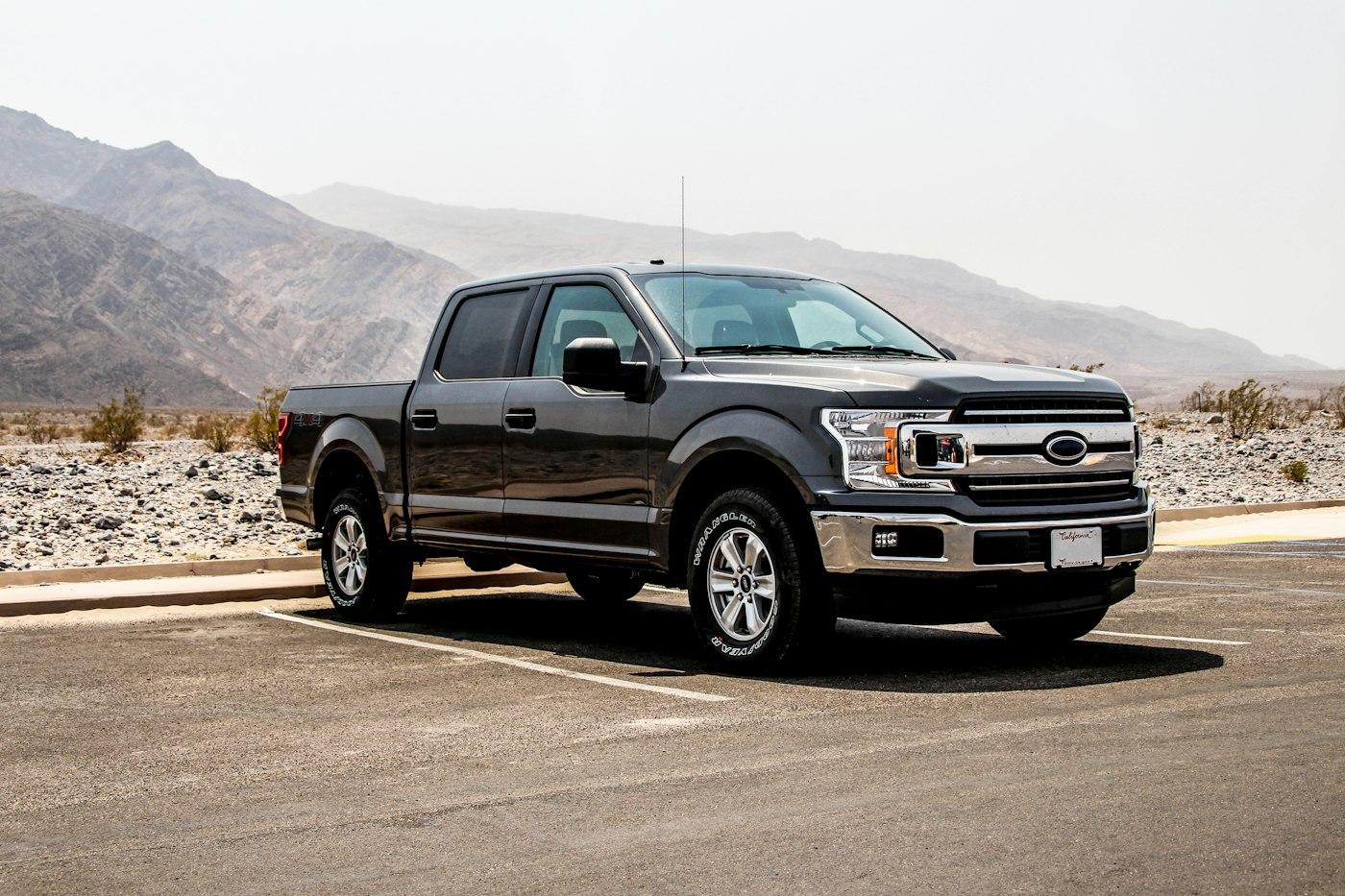
Commercial auto
Commercial auto insurance for California work trucks, vans and company cars, plus hired and non-owned auto, quoted with carriers such as NEXT and Travelers.
Learn moreBusiness owner's policy (BOP)
A business owner's policy bundles property, general liability and business income coverage for small California businesses. Carriers we quote include NEXT, Travelers and Mercury.
Learn more
Business insurance in Santa Clarita
Our office is in the Valencia Industrial Center, the 1,100-acre business park just east of I-5 that's home to manufacturers, distributors and service companies.
Learn more
Free quote · No obligation
Get a free business insurance quote
Tell us what you want to insure and Brian will compare carriers, then we'll call you back. Prefer to talk it through? Call the office.
- Mon to Fri, 9 AM to 4 PM. During business hours we usually call back within the hour.
- CA License #0D44425 · 30 years of experience