

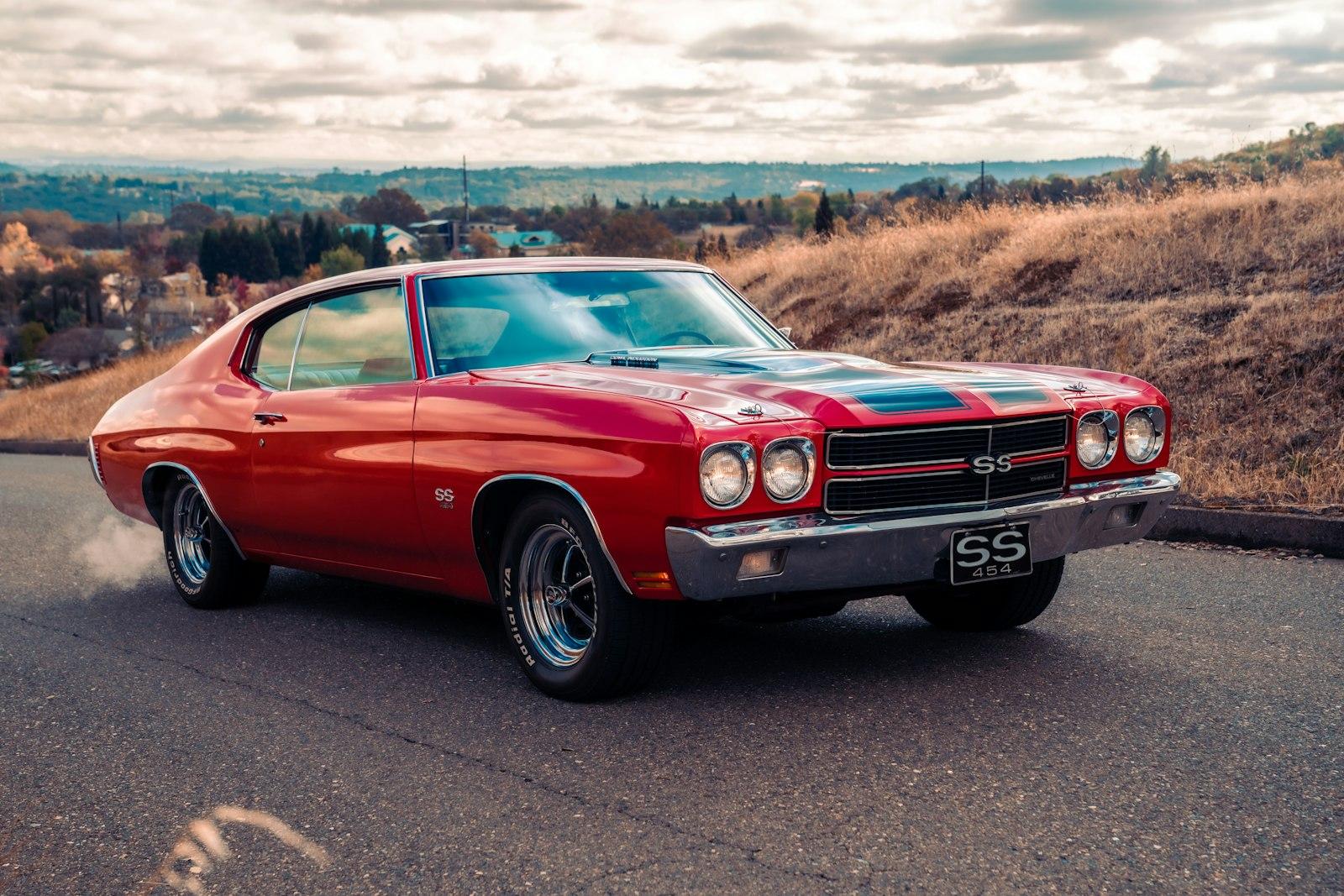
Collector car insurance · California
Classic Car Insurance in California: Agreed Value, Explained
A regular car policy pays your car's market value on the day of the loss, as the insurer figures it. For a restored or collectible car, that number can land well under what it would take to replace it. Collector car programs work differently: you agree on a value up front and accept some limits on driving and storage. Ask us what's available for your car, and we'll explain the trade-offs.
- Licensed in CA · #0D44425
- Free quotes, no obligation
- Call-back usually within the hour
At a glance
- In California, actual cash value means fair market value unless the policy defines it differently, and standard collision and comprehensive pay on that basis.
- An agreed value policy fixes the car's value when the policy starts, so a covered total loss pays that amount, less any deductible.
- Collector programs usually limit how the car is used (shows, club events, pleasure drives) and expect secure storage, such as a locked garage.
- California's 30/60/15 liability minimum applies to a classic the same as to any car you drive on public roads.
- We can help you compare collector car options for California owners; ask us what's available. Eligibility and terms vary by program.
Classic car insurance
Coverage options, in plain English
What each part of a policy can pay for. The exact coverage depends on the policy and the carrier, and we go through it with you before you buy.
Not sure which parts you need?
Tell us what you're insuring and we'll explain the trade-offs before you sign.
Get my free quoteAgreed value
You and the insurer settle on the car's value when the policy starts. In a covered total loss, that's what the policy pays, less any deductible.
Liability
Pays for injuries and damage you cause to others while you're driving the classic. We usually suggest matching the limits on your daily car.
Collision and comprehensive
Pays to repair the classic after a crash, fire, theft or vandalism, and pays the agreed value if the car is a total loss.
Uninsured motorist
Pays for your injuries if a driver with no insurance hits you while you're out in the classic.
Spare parts and tools
Some programs cover parts, tools or memorabilia kept with the car. Ask what's included before you assume your garage shelves are covered.
Towing and roadside
Some programs include flatbed towing, which matters for low or fragile cars. Check the limit and the distance covered.
On this page8
What is the difference between agreed value and actual cash value?
Short answer
Actual cash value is the market value of your car at the time of the loss, as the insurer determines it. Agreed value is a number you and the insurer settle on before anything happens, and it's what a covered total loss pays.
The California Department of Insurance defines actual cash value as fair market value unless the policy says otherwise, and notes that standard collision and comprehensive pay based on your car's market value. For a daily driver that's reasonable. For a car with a fresh restoration, rare options or its original drivetrain, a market estimate made after the fact can leave you arguing over comparable sales.
How the three valuation types usually work
Actual cash value
- How the value is set
- By the insurer, at the time of the loss
- What a total loss usually pays
- Market value at the time of the loss, minus the deductible
Stated value
- How the value is set
- You state a value when you buy the policy
- What a total loss usually pays
- Often the lower of the stated value and actual cash value
Agreed value
- How the value is set
- You and the insurer agree before the policy starts
- What a total loss usually pays
- The agreed amount, minus any deductible
| Valuation | How the value is set | What a total loss usually pays |
|---|---|---|
| Actual cash value | By the insurer, at the time of the loss | Market value at the time of the loss, minus the deductible |
| Stated value | You state a value when you buy the policy | Often the lower of the stated value and actual cash value |
| Agreed value | You and the insurer agree before the policy starts | The agreed amount, minus any deductible |
Stated value sounds like agreed value but often pays like actual cash value. Read the settlement wording, and we can help you check which type a quote uses.
Keep your proof of value current
Programs usually ask for photos and may ask for an appraisal or receipts, especially at higher values. Update the agreed value after a restoration or when prices for your model move, because the policy can only pay what you agreed to.
How can you drive a car insured on a classic car policy?
Short answer
Mostly for pleasure, not for daily transportation. Collector programs typically allow car shows, club events, parades, tours and occasional drives, and they expect you to have another car for commuting and errands.
The details vary. Some programs are strict about commuting, some allow pleasure driving more broadly, and business use and rideshare driving are usually excluded. Ask how a program defines pleasure use before you buy, not after a claim.
California law points the same way for some owners. Historical vehicle plates are for cars at least 25 years old (if built after 1922) that are of historic interest, and those cars are meant to be driven mainly for exhibitions and similar purposes. Programs set their own eligibility rules, but they commonly look at:
- The driving records of everyone who will drive the classic.
- Whether each driver has a regular car for everyday use.
- The car's condition, or where it stands in a restoration.
- Where and how the car is stored when it isn't being driven.
Do classic car policies have storage requirements?
Short answer
Usually, yes. Collector programs generally expect the car to be kept in a locked, enclosed garage or storage unit, not on the street or under a cover in the driveway.
A rented or shared space can work if it's enclosed and locked, so tell us where the car lives and we'll check the program's wording. If you move it to a different garage, let us know, because the storage location is part of how the program underwrites the car.
Laying a car up for a while? If it won't be driven or parked on a public road, the DMV lets you file an Affidavit of Non-Use before you cancel its insurance, and you can request Planned Non-Operation at renewal. You may still want comprehensive on a stored car for fire and theft, so ask us about pricing that on its own.
How do mileage plans and deductibles work on collector policies?
Short answer
Many collector programs price by the miles you expect to drive in a year, in tiers, and some offer unlimited-mileage options. Deductibles vary by program, and some offer a zero deductible.
Choose a mileage tier you'll actually stay under. Count trips to shows, club drives and the occasional run to the shop. If your plans change mid-year, call us before you pass the limit; adjusting the tier is simpler than sorting it out after a claim.
On deductibles, a lower one usually means a higher premium. A zero deductible can make sense on a high-value car where small claims matter to you, while a higher deductible can lower the cost if you'd only ever claim a major loss.
Ask about your classic
Tell us the year, make, model, what it's worth and where it's kept. We'll check what collector options are available and walk you through the fine print.
Which California rules apply to classic cars?
Short answer
The same liability minimum as any car: 30/60/15 for policies issued or renewed on or after January 1, 2025, whenever you drive it on public roads. A few other state rules apply only to older cars.
- Liability minimum: $30,000 per person and $60,000 per accident for injuries, plus $15,000 for property damage. See California's minimum car insurance requirements.
- Historical vehicle plates: available for cars at least 25 years old (built after 1922) that are of historic interest, with use mainly for exhibitions and similar purposes.
- Smog checks: gasoline-powered cars from model year 1975 or older are exempt, according to the DMV's smog inspection rules (opens in a new tab).
- Proof of insurance: carry it in the car, the same as with any other vehicle.
None of this changes what to do after a crash. The steps in our guide on what to do after a car accident in California apply to a 1965 convertible exactly as they do to a minivan.
Can you insure a classic with your daily car and home?
Short answer
Usually the classic goes on its own collector policy, alongside your regular car and home policies. We quote the car and home side and can help you compare collector options, so you see the full picture.
A collector policy expects you to have a regular car for daily driving, so the two policies work as a pair. If your home and cars are with Mercury, Travelers or another carrier we work with, we'll keep them in the comparison and check whether a home and auto bundle still makes sense with the classic insured separately. Our California car insurance page covers the daily-driver side.
If the classic lives in your garage at home, ask about the house too. Garage contents, tools and parts may fall under the homeowners policy, the collector policy or neither, depending on the wording. Our home insurance page explains how personal property limits work.
How we help with classic and collector cars
- 1
Tell us about the car
Year, make, model, VIN, condition, mileage and what you believe it's worth. Photos help.
- 2
We check what's available
We look at which collector options may fit the car, your drivers and your storage, and what each needs to confirm the value.
- 3
We explain the terms
Agreed value, mileage tier, use limits, storage and deductible, side by side and in plain English.
- 4
No trip needed
We work by phone, email and e-signature from our Valencia office. You don't need to bring the car anywhere.
We're a two-person agency in Valencia with 30 years of experience. When you call (818) 909-7486, Monday to Friday from 9 to 4, you'll talk with Brian or Dolores, and if you're in the Santa Clarita Valley, our car insurance page for Santa Clarita covers your daily drivers too.
Sources we used for this page (4)
- 1California Department of Insurance: Automobile Insurance guide (Form 901, Feb. 2025) (opens in a new tab)insurance.ca.gov
- 2California Vehicle Code 5004 (historical vehicle plates) (opens in a new tab)california.public.law
- 3California DMV: Smog inspections (opens in a new tab)dmv.ca.gov
- 4California DMV: Insurance requirements (Affidavit of Non-Use, PNO) (opens in a new tab)dmv.ca.gov
Questions we hear a lot
Classic car insurance: common questions
Short answers to what people ask us most. Anything else, call and ask Brian or Dolores.
Still have a question?
Talk to a licensed agent at the Valencia office.
(818) 909-7486Mon to Fri, 9 AM to 4 PM
What counts as a classic car for insurance in California?
There's no single definition. Each collector program sets its own rules on age, condition, value and use, and some programs also consider newer limited-production or exotic cars. California's historical vehicle plates use a 25-year age line for cars built after 1922, but insurance programs don't have to follow it. Tell us about the car and we'll check which programs will consider it.
Can I drive my classic car to work?
Usually not on a collector policy. Most programs exclude commuting and everyday errands and expect you to have another car for daily use. If you want to drive the car every day, it may belong on a standard policy instead, which typically settles a total loss at actual cash value. We can help you weigh that flexibility against how the car is valued.
Do I need an appraisal for an agreed value policy?
Sometimes. Many programs accept photos and a description for typical values and ask for an appraisal, receipts or other documents for higher values or heavily modified cars. The requirements depend on the program and on how much you want to insure the car for. Ask us before you pay for an appraisal, and we'll tell you what the program actually needs.
Can a modified car or restomod get collector insurance?
Often, but it depends on the program and the changes. Engine swaps, modern suspension and custom interiors change both the value and the risk, so tell us exactly what's been done. Make sure the modifications are reflected in the agreed value; otherwise a total loss may not account for them.
Is my classic covered while it is being restored?
It can be. Some collector programs cover cars during a restoration, often with limits on use and value until the work is done. While the car is at a restoration shop, coverage can also depend on the program's wording and the shop's own insurance. Tell us where the car is and what stage it's in, and update the agreed value when the work is finished.
Which company insures classic cars through your agency?
Ask us, because it depends on the car. Which collector programs are available, and whether one will accept your car, turns on the car itself, the drivers and where it's stored. The insurance company is always named on a quote before you buy anything. If a collector program isn't a fit, we'll tell you why and what the car would look like on a standard policy instead.
Does a classic car policy cover me at car shows and club events?
Those are the uses collector programs are built around. Shows, club events, parades and tours are typically allowed. Before a long trip, check the use wording and any limits on trailering or distance, and we'll read it with you. If you haul the car on your own trailer, tell us, since the trailer may need coverage of its own.
Keep reading
Related coverage
Car insurance
California car insurance from a Valencia agency: we compare carriers like Mercury, Travelers and Bristol West and explain your options in plain English.
Learn more
Home & auto bundle
Home and two-car auto policies priced together and separately, so you can see whether bundling with one carrier pays off.
Learn more
Home insurance
Homeowners insurance for California houses, quoted with carriers like Mercury and Travelers by a family-run independent agency in Valencia.
Learn more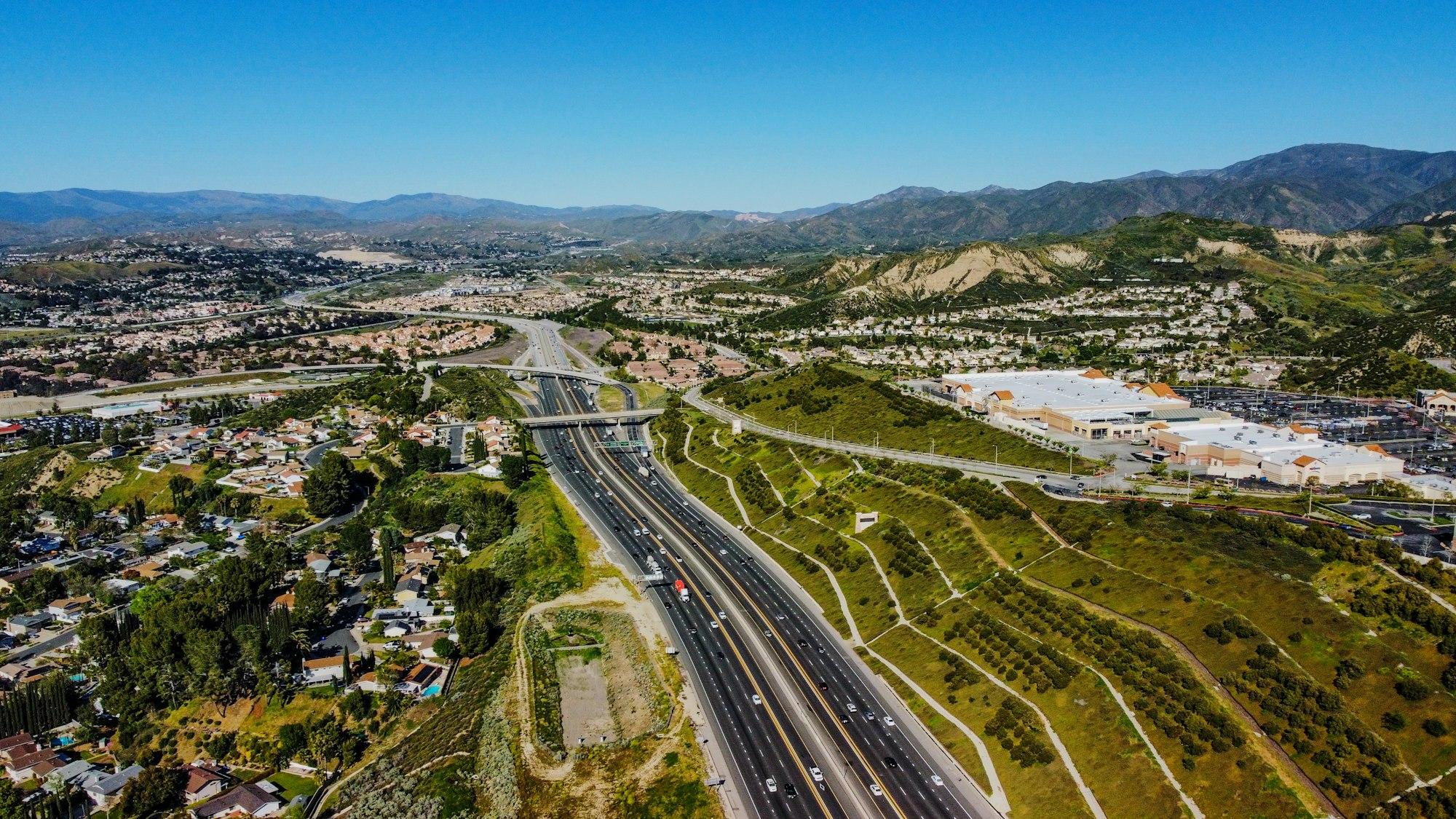
Car insurance in Santa Clarita
If you commute from Santa Clarita into the San Fernando Valley or Los Angeles, you know the Newhall Pass, where I-5 and the 14 meet and the truck lanes split away.
Learn more
California's minimum car insurance (30/60/15)
Starting January 1, 2025, California doubled the minimum injury limits on car insurance and tripled the minimum for property damage.
Learn more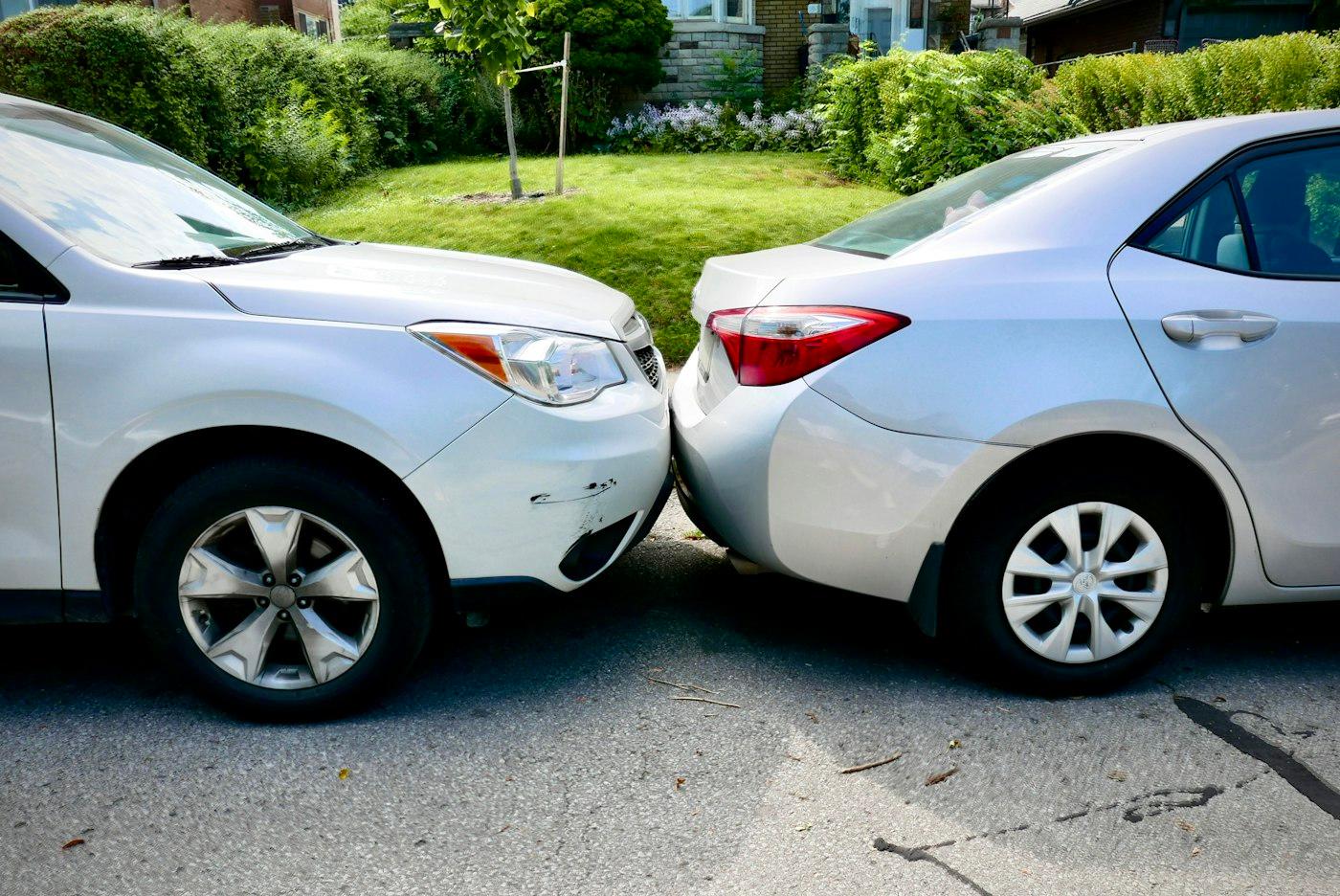
What to do after a car accident in California
The first hour after a crash decides a lot: whether anyone's injuries get worse, whether you leave with the information your claim needs, and whether you meet…
Learn more
Free quote · No obligation
Get a free classic car insurance quote
Tell us what you want to insure and Brian will compare carriers, then we'll call you back. Prefer to talk it through? Call the office.
- Mon to Fri, 9 AM to 4 PM. During business hours we usually call back within the hour.
- CA License #0D44425 · 30 years of experience