Home insurance
11 min read
Wildfire Risk and Home Insurance in Santa Clarita, California
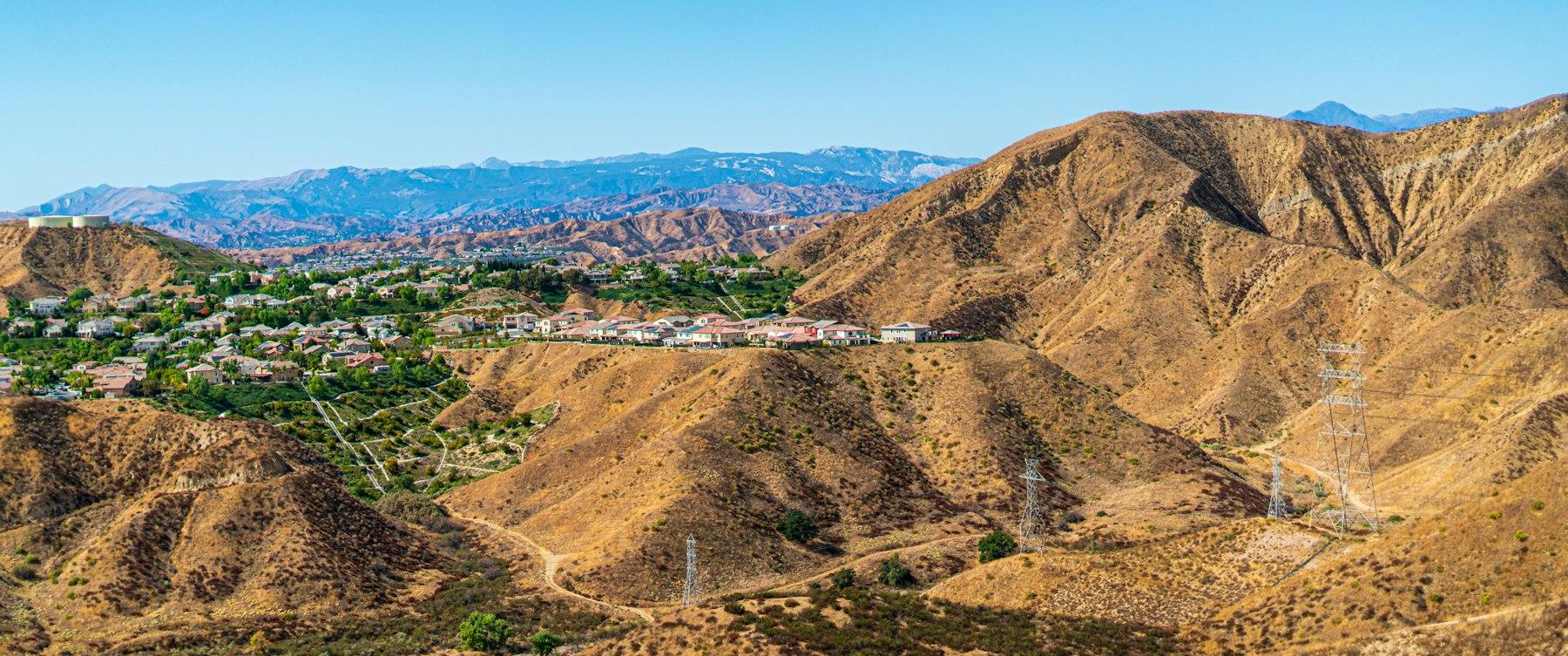
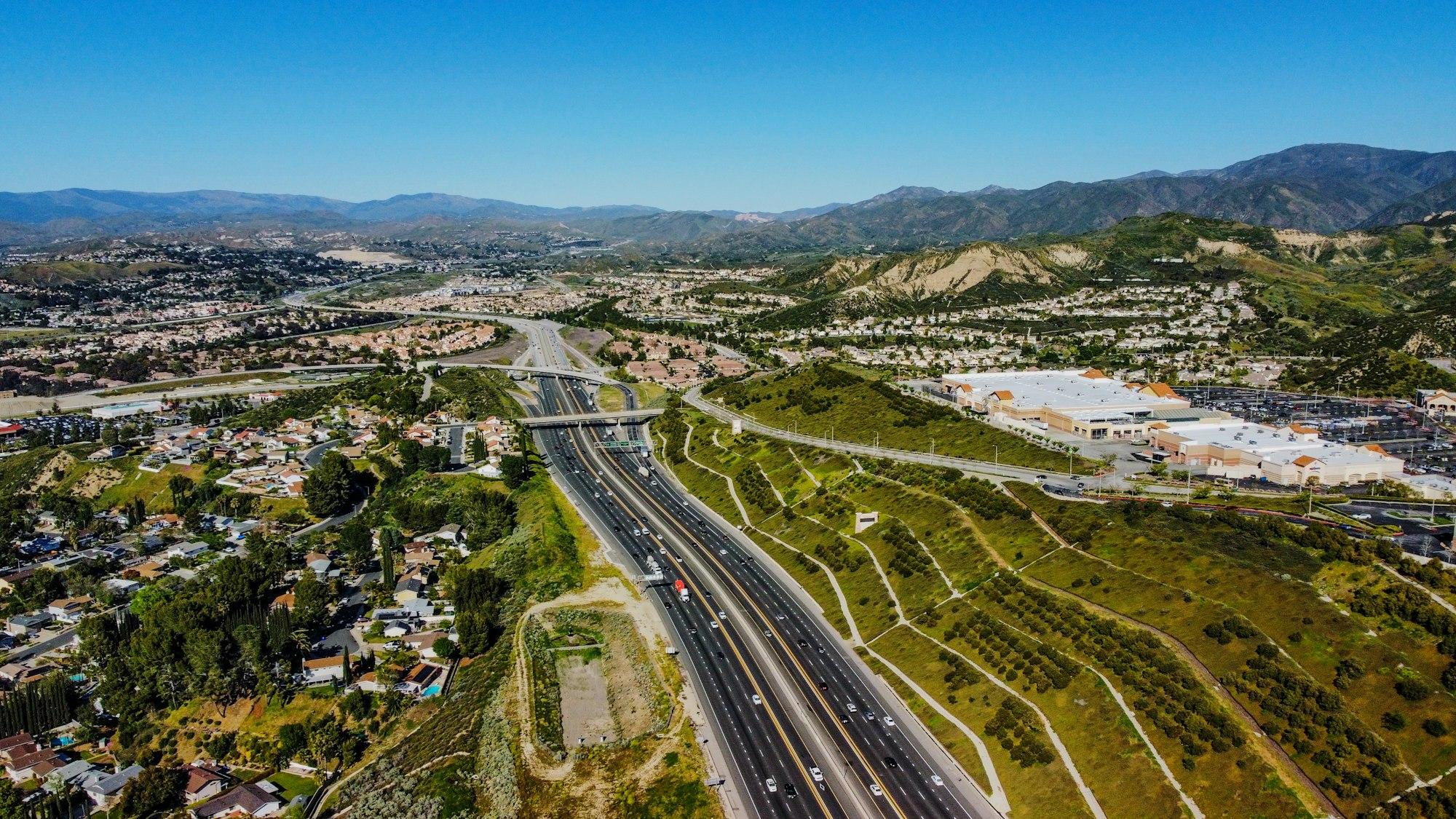
Santa Clarita is ringed by brush-covered hills, and insurers price that risk into home policies here. From the 2016 Sand Fire to the 2025 Hughes Fire, major fires have burned at the valley's edges. This guide covers how wildfire risk shapes your coverage, what to ask for, and which fire-hardening work insurers credit, from a Valencia agency with 30 years of experience.
By the Iriana Insurance Services teamValencia, CA · CA License #0D44425
Published
At a glance
- CAL FIRE's hazard zones set brush and building rules, but the Department of Insurance says insurers don't use those maps to set rates or choose whom to cover. Each insurer runs its own wildfire model.
- LA County Fire, which serves the City of Santa Clarita, inspects defensible space every year and can require clearance out to 200 feet in extra hazard areas.
- Ask for a dwelling limit that matches today's rebuild cost, plus extended replacement cost and building code upgrade coverage.
- After a total loss in a declared emergency, insurers must pay 60% of your contents limit, up to $350,000, without an itemized inventory, under a law in effect from January 2026.
- The Board of Forestry approved statewide Zone 0 rules for the first 5 feet around homes in August 2026, then withdrew them for revisions. They are not in effect yet.
On this page9
How does wildfire risk affect home insurance in Santa Clarita?
Short answer
It decides which insurers will offer a policy and how much the wildfire part of the premium costs. Each insurer scores your address with its own wildfire model, so two Santa Clarita homes a mile apart can get very different answers.
The city's 2026 draft hazard mitigation plan names Sand Canyon, Fair Oaks Ranch, Placerita Canyon, San Francisquito Canyon, Bouquet Canyon, Plum Canyon and Skyline Ranch among its key wildfire risk areas. It also notes that during the 2019 Tick Fire, embers set rooftops and yard plants alight in neighborhoods far from the flames, including parts of Whites Canyon and Shadow Pines.
That ember detail matters for insurance. A house doesn't have to touch the brush line to burn, which is why the state's discount rules focus on roofs, vents and the first five feet around the walls, not only on how far you live from open land.
Under the state's Sustainable Insurance Strategy, insurers can now build forward-looking catastrophe models into their California rates if they commit to writing more homes in wildfire-distressed areas. The Department of Insurance says those models have to account for mitigation by individual homes, neighborhoods and regions. For the rest of the local picture, including earthquake and HOA questions, see homeowners insurance in Santa Clarita.
Which wildfires have hit the Santa Clarita Valley recently?
Short answer
Five stand out from 2016 to 2025: the Sand Fire, the Saddleridge and Tick fires in October 2019, the 2022 Route Fire and the January 2025 Hughes Fire. The last four each led to a one-year moratorium on wildfire non-renewals for nearby ZIP codes.
Fires in and next to the valley, from CAL FIRE incident records (Sand Fire figures from CBS Los Angeles)
Sand Fire
- Started
- July 22, 2016
- Where
- Sand Canyon Road along the 14
- Size and damage
- 41,432 acres; 18 homes destroyed; one man killed
Saddleridge Fire
- Started
- October 10, 2019
- Where
- Saddle Ridge Road, Sylmar
- Size and damage
- 8,799 acres; 19 structures destroyed, 88 damaged
Tick Fire
- Started
- October 24, 2019
- Where
- Tick Canyon Road, Canyon Country
- Size and damage
- 4,615 acres; 22 structures lost, 27 damaged
Route Fire
- Started
- August 31, 2022
- Where
- I-5 at Lake Hughes Road, Castaic
- Size and damage
- 5,208 acres in six days
Hughes Fire
- Started
- January 22, 2025
- Where
- Lake Hughes Road near Castaic Lake
- Size and damage
- 10,425 acres; one structure damaged
| Fire | Started | Where | Size and damage |
|---|---|---|---|
| Sand Fire | July 22, 2016 | Sand Canyon Road along the 14 | 41,432 acres; 18 homes destroyed; one man killed |
| Saddleridge Fire | October 10, 2019 | Saddle Ridge Road, Sylmar | 8,799 acres; 19 structures destroyed, 88 damaged |
| Tick Fire | October 24, 2019 | Tick Canyon Road, Canyon Country | 4,615 acres; 22 structures lost, 27 damaged |
| Route Fire | August 31, 2022 | I-5 at Lake Hughes Road, Castaic | 5,208 acres in six days |
| Hughes Fire | January 22, 2025 | Lake Hughes Road near Castaic Lake | 10,425 acres; one structure damaged |
The Hughes Fire was a reminder that fire season isn't only late summer. It started in January, the same month as the Palisades and Eaton fires, and the moratorium that followed covered ZIP codes from Valencia and Stevenson Ranch to Castaic for a year. Our guide to home insurance non-renewals in California explains how those moratoriums work.
Do CAL FIRE's Fire Hazard Severity Zones change your premium?
Short answer
Not directly. The zones, rated Moderate, High and Very High, set building and brush clearance rules, but the Department of Insurance says insurers don't use CAL FIRE's maps for rates or underwriting decisions.
The maps were redrawn recently. Zones for state responsibility areas took effect April 1, 2024, and the State Fire Marshal released updated local responsibility area maps for Los Angeles County on March 24, 2025. An LA County Fire liaison told The Signal the new maps showed a significant increase in fire zone areas for Santa Clarita, and the City Council took up an ordinance to adopt the map in June 2025, as state law requires.
- Building rules. New homes and major renovations in mapped zones must meet Chapter 7A of the California Building Code: fire-resistant roofs and siding, ember-resistant vents and enclosed eaves.
- Brush clearance. The zones decide which parcels land on LA County Fire's annual defensible space inspection list.
- Home sales. LA County Fire says that under AB 38, in effect from July 1, 2021, a seller in a hazard zone generally has to provide a defensible space inspection report during escrow.
To see your parcel's zone, look up the address on CAL FIRE's online Fire Hazard Severity Zone map.
What are the brush clearance rules for Santa Clarita homes?
Short answer
State law calls for up to 100 feet of defensible space around homes in hazard areas, and LA County Fire, which serves the City of Santa Clarita, can require up to 200 feet in extra hazard areas. The county mails its annual notice in February and inspects in the spring.
- Within 30 feet (50 feet in extra hazard areas): remove, or keep trimmed and free of dead material, the plants the county calls combustible, including acacia, cedar, cypress, eucalyptus, juniper, pine and pampas grass.
- 30 to 100 feet: thin, trim and limb up what's left, and clear out dead wood.
- Dry grass: keep cured annual grasses at 3 inches or less.
- Fire access roads: keep 10 feet of brush clearance on each side.
Don't start by cutting down trees. The county's 2026 notice asks owners to wait for the inspector's guidance, because corrective trimming is usually enough. Owners who ignore an inspection report face a fine plus an enforcement charge on the property tax bill, and the county can send a contractor to clear the lot at the owner's cost.
Zone 0: the first five feet
A 2020 state law, AB 3074, created an ember-resistant zone within five feet of homes. The Board of Forestry approved statewide Zone 0 rules on August 19, 2026, for homes in state responsibility areas and in Very High zones of local responsibility areas, which include cities like Santa Clarita. Existing homes would get a phase-in of up to five years, with local agencies setting part of the timeline.
In September 2026 the Board withdrew the package from the state's Office of Administrative Law to make revisions. The rules aren't in effect until that office approves and files them, so check the Board of Forestry's Zone 0 page for the latest. You don't need to wait, though: a cleared 5-foot ember-resistant zone is already on the state's discount list.
What coverage should a Santa Clarita homeowner ask for?
Short answer
Start with a dwelling limit that matches the cost to rebuild, then add extended replacement cost and building code upgrade coverage, and check your loss-of-use limit. Those choices decide whether a total loss ends in a finished house or a shortfall.
- A dwelling limit based on rebuild cost. The Department of Insurance says the limit should be what it would cost to replace your home, not its market value, and notes that many homes lost in past California wildfires were underinsured.
- Extended replacement cost. A cushion above the dwelling limit for when building costs jump after a disaster. Under SB 876, signed in September 2026, insurers will have to offer at least 50% extended replacement cost with every new policy and renewal starting in 2028.
- Building code upgrade (ordinance or law). Pays the extra cost of meeting current codes when you rebuild. The Department warns that some policies leave it out.
- Loss of use. Pays extra living costs while you're displaced, and the Department's guide says it's normally limited to 20% of the dwelling limit. After a loss tied to a declared emergency, California law sets a minimum of 24 months, with up to 12 more for delays you can't control, but the dollar limit still applies.
- Contents. After a total loss in a declared emergency, SB 495 requires insurers to pay 60% of your contents limit, up to $350,000, without an itemized inventory, and gives you at least 100 days before one is required.
One more deadline: after a state-of-emergency loss, your insurer can't give you less than 36 months from the first actual cash value payment to collect full replacement cost, and it must grant six-month extensions for good cause, such as permit delays.
Would your limits rebuild your house?
Send us your declarations page. We'll check the dwelling limit, extended replacement cost and loss of use against the carrier's rebuild estimate and quote companies such as Mercury and Travelers side by side.
Which home hardening steps do insurers recognize?
Short answer
The state's Safer from Wildfires list is the baseline: insurers must offer discounts for each item, from a Class A roof to a cleared space under the deck. Some carriers, including Mercury, also credit the IBHS Wildfire Prepared Home designation.
Safer from Wildfires steps and the proof to keep
Roof
- What qualifies
- Class A fire rating. Asphalt shingle, concrete, brick or masonry tile usually qualify; wood shake does not
- Proof to keep
- Roofer invoice naming the material
Vents
- What qualifies
- Noncombustible, corrosion-resistant metal mesh between 1/16 and 1/8 inch
- Proof to keep
- Close-up photo of each vent
Base of walls
- What qualifies
- 6 inches of noncombustible material at the bottom of exterior walls, measured from the ground and any deck
- Proof to keep
- Photos of every side of the house
Eaves
- What qualifies
- Enclosed with soffits of noncombustible or ignition-resistant material
- Proof to keep
- Contractor invoice or photos
Windows
- What qualifies
- Multi-pane glass, or added shutters
- Proof to keep
- Window order or invoice
Under decks
- What qualifies
- Plants, weeds and debris cleared; concrete, gravel or bare soil is fine
- Proof to keep
- Photo taken from below the deck
First 5 feet
- What qualifies
- Ember-resistant zone, with metal replacing any wood fence that attaches to the house
- Proof to keep
- Wide photos around the house
Sheds
- What qualifies
- Combustible outbuildings moved at least 30 feet away
- Proof to keep
- Photo showing the distance
Yard
- What qualifies
- Defensible space that meets state and county rules
- Proof to keep
- LA County Fire compliance letter
Neighborhood
- What qualifies
- A Firewise USA site or a certified Fire Risk Reduction Community
- Proof to keep
- The community listing or certificate
| Step | What qualifies | Proof to keep |
|---|---|---|
| Roof | Class A fire rating. Asphalt shingle, concrete, brick or masonry tile usually qualify; wood shake does not | Roofer invoice naming the material |
| Vents | Noncombustible, corrosion-resistant metal mesh between 1/16 and 1/8 inch | Close-up photo of each vent |
| Base of walls | 6 inches of noncombustible material at the bottom of exterior walls, measured from the ground and any deck | Photos of every side of the house |
| Eaves | Enclosed with soffits of noncombustible or ignition-resistant material | Contractor invoice or photos |
| Windows | Multi-pane glass, or added shutters | Window order or invoice |
| Under decks | Plants, weeds and debris cleared; concrete, gravel or bare soil is fine | Photo taken from below the deck |
| First 5 feet | Ember-resistant zone, with metal replacing any wood fence that attaches to the house | Wide photos around the house |
| Sheds | Combustible outbuildings moved at least 30 feet away | Photo showing the distance |
| Yard | Defensible space that meets state and county rules | LA County Fire compliance letter |
| Neighborhood | A Firewise USA site or a certified Fire Risk Reduction Community | The community listing or certificate |
Discount size varies by insurer. Mercury says its discounts apply only to the wildfire portion of the premium, that it reviews photos sent through your agent, and that mitigation doesn't promise eligibility or renewal. The FAIR Plan has its own hardening discount, covered in our California FAIR Plan guide.
The work can pay off beyond one discount. A study by the Department of Insurance and the National Association of Insurance Commissioners found that rebuilding Los Angeles to the IBHS Wildfire Prepared Home standard would cut average annual losses by more than 30 percent.
What should you do before the next fire season?
Short answer
Clear brush before LA County Fire's spring inspections, photograph each hardening project, update a home inventory, and review your limits before renewal. Each step helps with a claim, a discount or a non-renewal.
- 1
Check your zone
Look up your parcel on CAL FIRE's hazard zone map, and watch for LA County Fire's notice each February if you're on the inspection list.
- 2
Clear and trim
Finish brush work before the spring inspections and keep the compliance letter the county sends.
- 3
Photograph the hardening
Take dated photos of the roof, vents, eaves and the 5-foot zone, and email them to us so each carrier can apply what it credits.
- 4
Make a home inventory
The Department of Insurance suggests listing what you own with purchase dates and prices, adding photos or video, and storing the record away from home.
- 5
Review limits at renewal
Rebuild costs change. Compare your dwelling limit with the carrier's latest estimate every year.
Our office is in the valley too, on Avenue Stanford in Valencia. For everything else we insure here, from cars on the 14 to condos and small businesses, see our Santa Clarita insurance agency page.
Sources
Official and primary sources we checked for this guide. Rules change, so confirm details with the source.
- 1CAL FIRE: Sand Fire (2016) (opens in a new tab)fire.ca.gov
- 2CBS Los Angeles: Sand Fire fully contained (August 3, 2016) (opens in a new tab)cbsnews.com
- 3CAL FIRE: Saddle Ridge Fire (2019) (opens in a new tab)fire.ca.gov
- 4CAL FIRE: Tick Fire (2019) (opens in a new tab)fire.ca.gov
- 5CAL FIRE: Route Fire (2022) (opens in a new tab)fire.ca.gov
- 6CAL FIRE: Hughes Fire (2025) (opens in a new tab)fire.ca.gov
- 7City of Santa Clarita: 2026 Local Hazard Mitigation Plan, public review draft (opens in a new tab)filecenter.santa-clarita.com
- 8California Department of Insurance: CAL FIRE hazard maps do not affect insurance rates or availability (opens in a new tab)insurance.ca.gov
- 9California Department of Insurance: First wildfire catastrophe model review under the Sustainable Insurance Strategy (July 24, 2025) (opens in a new tab)insurance.ca.gov
- 10California Department of Insurance: Mandatory one-year moratorium on non-renewals (opens in a new tab)insurance.ca.gov
- 11Los Angeles County GIS: Fire Hazard Severity Zones in State Responsibility Areas (implemented April 1, 2024) (opens in a new tab)arcgis.gis.lacounty.gov
- 12The Signal: SCV officials react to CAL FIRE maps (March 25, 2025) (opens in a new tab)signalscv.com
- 13LAist: Fire-resistant building codes (Chapter 7A) and where they apply (March 27, 2025) (opens in a new tab)laist.com
- 14Hometown Station: Santa Clarita City Council set to discuss fire hazard map (June 24, 2025) (opens in a new tab)hometownstation.com
- 15Los Angeles County Fire Department: Fire hazard reduction programs (opens in a new tab)fire.lacounty.gov
- 16Los Angeles County Fire Department: Annual defensible space clearance notice 2026 (opens in a new tab)fire.lacounty.gov
- 17Los Angeles County Fire Department: 2026 defensible space inspection program details (opens in a new tab)fire.lacounty.gov
- 18California Wildfire and Forest Resilience Task Force: Board of Forestry approves Zone 0 regulations (August 19, 2026) (opens in a new tab)wildfiretaskforce.org
- 19Best Best & Krieger: Board of Forestry adopts emergency Zone 0 regulations (September 2026) (opens in a new tab)bbklaw.com
- 20Wildfire Los Angeles: Zone 0 regulations withdrawn from OAL review (September 11, 2026) (opens in a new tab)wildfirela.org
- 21California Department of Insurance: Study on rebuilding Los Angeles to wildfire safety standards (March 27, 2026) (opens in a new tab)insurance.ca.gov
- 22California Department of Insurance: Safer from Wildfires (opens in a new tab)insurance.ca.gov
- 23California Department of Insurance: Residential insurance guide (opens in a new tab)insurance.ca.gov
- 24California Insurance Code section 2060 (additional living expenses) (opens in a new tab)california.public.law
- 25California Insurance Code section 2051.5 (time to collect replacement cost) (opens in a new tab)california.public.law
- 26California Department of Insurance: SB 495 contents payments without an inventory (October 10, 2025) (opens in a new tab)insurance.ca.gov
- 27Insurance Business: SB 876 signed, extended replacement cost offer and disaster rules (September 30, 2026) (opens in a new tab)insurancebusinessmag.com
- 28Insurance Journal: Smoke Damage Recovery Act, AB 1795 (October 5, 2026) (opens in a new tab)insurancejournal.com
- 29Mercury Insurance: California wildfire mitigation discounts (opens in a new tab)mercuryinsurance.com
- 30California Department of Insurance: Sustainable Insurance Strategy implementation fact sheet (May 20, 2026), via United Policyholders (opens in a new tab)uphelp.org